
Limetta
Citrus limetta Risso
Description
Growing requirements
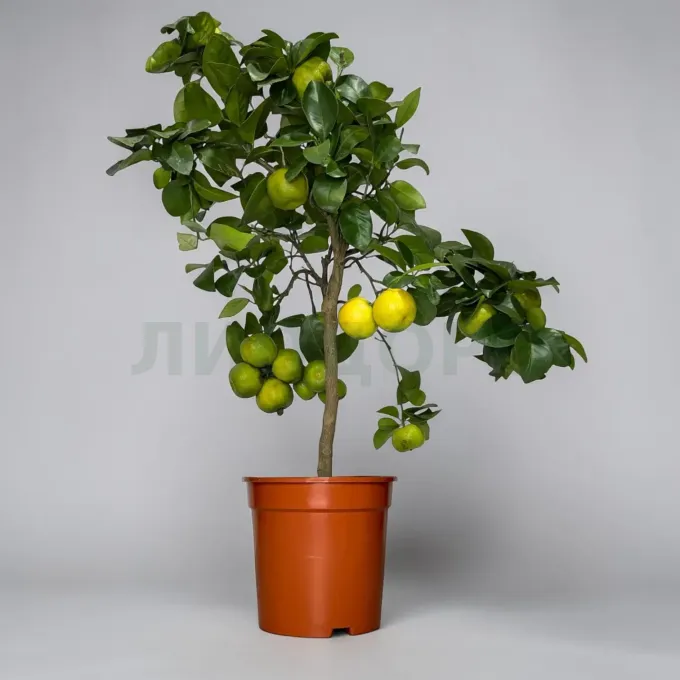
Limetta (Citrus limetta Risso), commonly referred to as the sweet lime or Mediterranean lemon, is a member of the Rutaceae family. It is an evergreen shrub or small tree, characterized by its glossy, oval leaves, thorny branches, and fragrant white flowers that appear during the flowering season.
This crop originates from tropical and subtropical regions of Southeast Asia and has been successfully adapted to Mediterranean climates. It thrives in frost-free environments where the temperatures remain consistently warm throughout the year, which is essential for fruit development.
Soil requirements for limetta include well-drained, fertile loamy soils with a pH ranging from 6.0 to 7.5. The root system is quite sensitive to waterlogging, thus ensuring proper drainage is a fundamental prerequisite for long-term orchard success and health of the trees.
Limetta requires full sun exposure to maximize photosynthetic efficiency and fruit sugar content. In regions with intense solar radiation, light shading might be beneficial for young trees, but mature specimens generally perform best under direct, unobstructed sunlight.
Agrotechnical practices involve regular irrigation, particularly during fruit expansion phases, and a balanced fertilization program focusing on nitrogen, potassium, and magnesium. Pruning is essential to facilitate air circulation within the canopy, reducing the risk of fungal infections.
Yield
The fruit of the limetta is spherical with a smooth, thin skin that turns bright yellow when fully mature. Unlike most lemon varieties, the pulp is mild, sweet, and low in acidity, making it highly desirable for consumers who prefer less tart citrus options.
Economically, the crop is utilized for fresh fruit markets, the beverage industry, and the production of high-quality essential oils used in fragrances and aromatherapy. The demand for sweet lime products remains steady due to their unique flavor profile.
Main diseases and pests
The primary pests affecting limetta include citrus psyllids, aphids, and red spider mites, which can cause significant damage to young shoots and leaves. Integrated pest management (IPM) strategies, including biological control, are recommended to maintain tree vigor.
Diseases such as citrus canker and various root rot pathogens can be devastating if preventive measures are not taken. Sanitation, such as removing infected branches and ensuring proper spacing between trees, is vital for maintaining an infection-free orchard.
Harvesting
Harvesting is typically performed by hand once the fruits have attained their full color and optimal size. Gentle handling is mandatory to prevent skin abrasions, which serve as entry points for post-harvest pathogens that can rapidly decay the fruit.