
Alpinia zerumbet
Alpinia zerumbet (Pers.) B. L. Burtt & R. M. Sm.
Description
Growing requirements
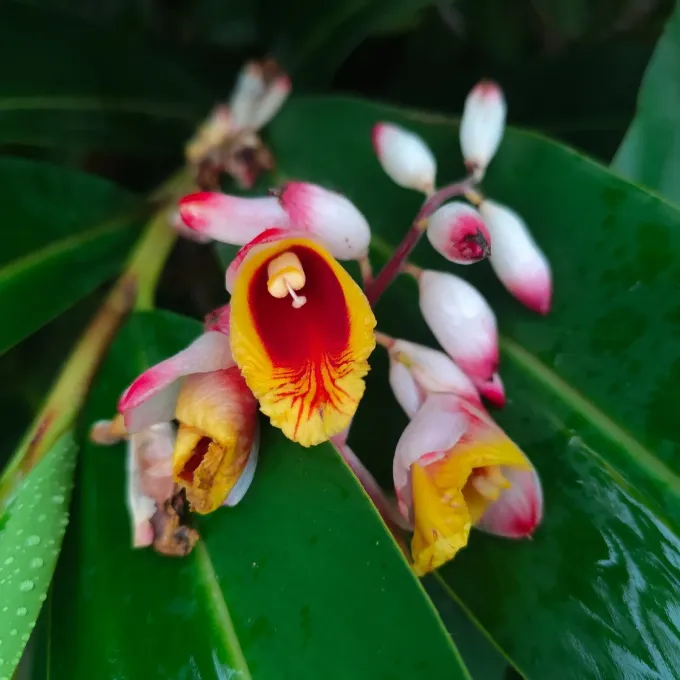
Alpinia zerumbet, commonly known as shell ginger, is a perennial herb belonging to the Zingiberaceae family. It is characterized by its large, arching leaves and clusters of bell-shaped white and pink flowers that look like seashells.
The plant originates from East Asia and is naturally distributed across tropical regions. In agricultural settings, it is grown primarily in zones that provide consistent warmth, as it is highly sensitive to frost and cold damage.
For optimal productivity, it requires nutrient-rich, well-draining soil with an acidic to neutral pH. High organic matter content is essential to maintain the vigor of its thick, rhizomatous root system throughout the growing season.
The crop thrives in full sun to partial shade. In extremely hot climates, some shade is beneficial during the afternoon to prevent leaf scorch and maintain the vibrant green coloration of the foliage.
Water requirements are significant; the soil should be kept consistently moist but not waterlogged. Regular irrigation is crucial during dry periods to prevent leaf tips from turning brown and to ensure healthy plant architecture.
Main diseases and pests
Fungal infections, such as root rot or leaf spot, are the primary disease threats, especially in poorly ventilated environments. Maintaining proper spacing between plants is a standard agricultural practice to minimize these risks.
Pests like aphids, spider mites, and scale insects may attack the foliage, particularly in greenhouse conditions. Integrated pest management strategies, including the use of neem oil or biological controls, are effective for maintaining plant health.
Root-knot nematodes can also pose a threat to Alpinia zerumbet in open field cultivation. Crop rotation or soil solarization techniques are recommended if the plant is grown as a recurring cash crop in the same plot.
The plant has diverse industrial applications, ranging from the food industry where leaves are used for wrapping food, to the pharmaceutical sector due to the antioxidant and anti-inflammatory properties of its rhizomes.
Finally, Alpinia zerumbet is highly valued in horticulture for its ornamental appeal. It is commonly cultivated in tropical landscaping to provide a lush, aesthetic impact in gardens and commercial outdoor spaces.