
Alpinia officinarum
Alpinia officinarum Hance
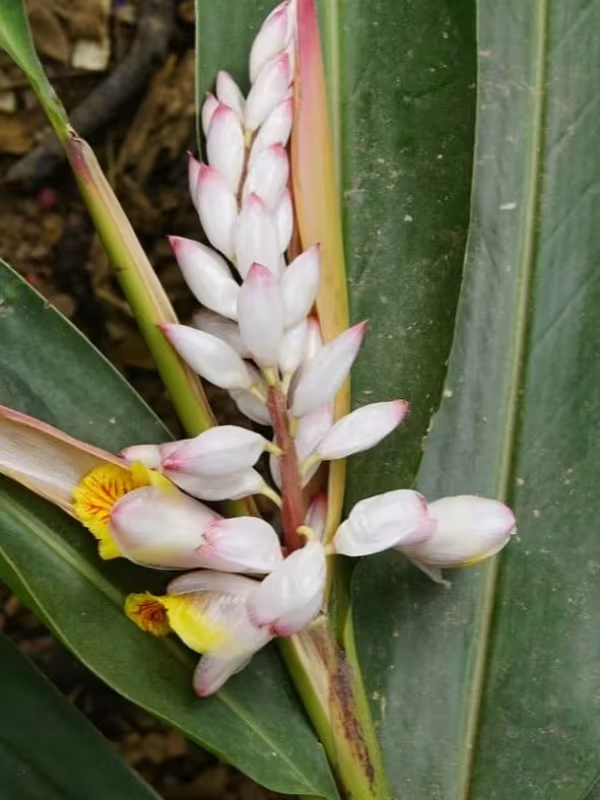
Description
Sowing dates
Alpinia officinarum is a perennial herb belonging to the Zingiberaceae family. Propagation is primarily performed through vegetative means by dividing the rhizomes, which is the most reliable method for commercial cultivation.
The optimal time for planting is early spring after the soil has warmed to at least 15–18 degrees Celsius. Each rhizome segment must have healthy buds to ensure rapid sprouting and establishment in the new location.
Seed propagation is possible but less common due to low and irregular germination rates. If using seeds, they should be started in a greenhouse during late winter to provide the required controlled climate.
When planting in open fields, it is essential to maintain a distance of about 40 cm between plants and 60–80 cm between rows. This spacing allows sufficient room for rhizomes to expand without competing for nutrients.
After planting, the soil should be thoroughly watered and covered with mulch. Mulching helps maintain consistent moisture levels and prevents weed growth, which is critical during the initial growth stages.
Growing requirements
As a plant native to Southeast Asia, Alpinia officinarum demands a warm and humid environment. The optimal temperature for healthy growth ranges between 22 and 28 degrees Celsius throughout the vegetative period.
The plant thrives in fertile, well-draining soils with a neutral or slightly acidic pH level. Waterlogging must be strictly avoided, as stagnant moisture causes the rhizomes to rot very quickly.
While the plant is shade-tolerant, it requires sufficient light for the development of essential oils within the rhizomes. In regions with intense sunlight, providing partial shade is recommended to prevent leaf scorching.
High relative humidity is necessary for the plant to thrive. In drier climates, growers should implement overhead misting or irrigation systems to maintain an environment that mimics the tropical native habitat.
Regular fertilization with organic matter, such as compost or well-rotted manure, is essential during the active growing season. This ensures the production of robust rhizomes and prevents soil nutrient depletion.
Yield
Yield productivity for galangal depends significantly on the age of the plantation. A mature, high-quality harvest is typically expected starting from the 3rd or 4th year after the initial planting.
Under intensive cultivation practices, growers can expect an average yield of 10–15 tons of fresh rhizomes per hectare. Final yields are subject to variation based on climatic factors and management intensity.
The accumulation of essential oils and active medicinal compounds peaks toward the end of the season as the foliage naturally begins to wither. Proper timing of the harvest is crucial to maximize the crop's quality.
The plantation can remain productive for 5–7 years with proper maintenance. After this period, the soil quality often declines, and the rhizomes may become overcrowded, necessitating a replanting strategy.
The commercial quality is determined by the pungency and aroma of the rhizomes. These traits are heavily influenced by the availability of nutrients and the absence of water stress throughout the development of the rhizome.
Main diseases and pests
Alpinia officinarum is generally robust but prone to root rot if the soil moisture is poorly managed. Fungal pathogens like Fusarium can devastate a crop if drainage is insufficient during heavy rains.
Spider mites are the most common pests, particularly in dry and hot conditions. They feed on the underside of leaves, causing discoloration and significant loss of photosynthetic vigor if left untreated.
Root-knot nematodes can pose a significant challenge by attacking the rhizome structure, leading to reduced growth rates and poor-quality roots that are unsuitable for the premium culinary market.
Aphids may infest young shoots during the growing season. Integrated pest management, including the use of neem oil or biological controls, is preferred over synthetic pesticides to maintain the purity of the crop.
Disease prevention relies primarily on strict crop rotation, maintaining weed-free fields, and utilizing certified, disease-free planting material to prevent the introduction of pathogens into the plot.
Harvesting
The harvesting process begins in late autumn when the leaves and stalks start to yellow and dry out. This natural decline indicates that the energy has been fully translocated into the storage rhizomes.
Rhizomes should be lifted carefully from the soil using pitchforks or similar tools. Minimizing mechanical injury is vital to ensure the harvested roots remain intact and free from site-specific bacterial infections.
After extraction, the rhizomes are cleaned of soil and debris, washed, and trimmed. Small secondary roots are typically removed to prepare the rhizomes for grading and packaging for sale.
Drying is a critical step that should be performed in a cool, well-ventilated area or in mechanical dryers at temperatures not exceeding 45 degrees Celsius to preserve the integrity of volatile aromatic oils.
Dried galangal should be stored in airtight containers in a cool, dark environment to prevent moisture absorption, color changes, and loss of potency, ensuring long-term shelf stability.