
Leuenbergeria zinniiflora
Leuenbergeria zinniiflora
Description
Growing requirements
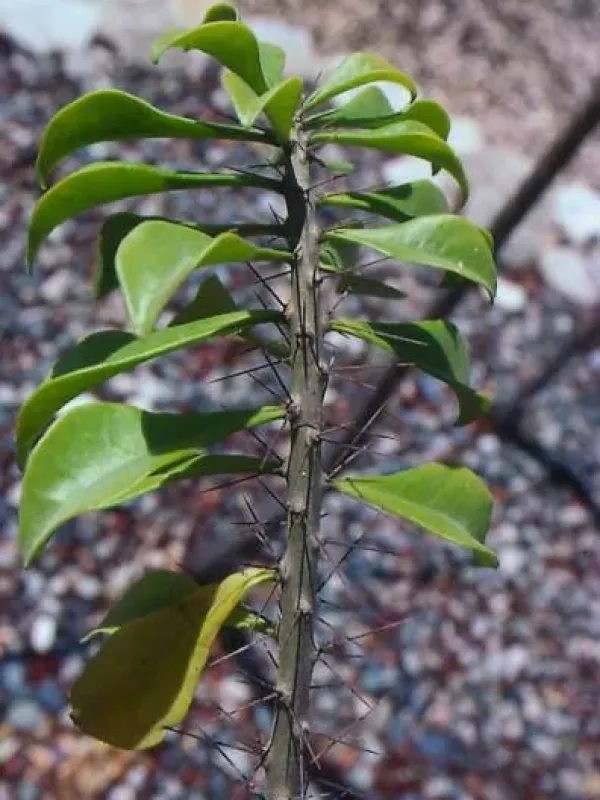
Leuenbergeria zinniiflora is a distinct species within the Cactaceae family, notable for retaining functional leaves, a trait uncommon in modern cacti. It represents a primitive form of growth habit among the cactus family.
The species is native to the Caribbean region, primarily documented in Cuba. It thrives in tropical dry forests where it has adapted to specific light conditions and seasonal moisture variations.
Agricultural success requires a well-draining, gritty soil mix. Due to its sensitivity to waterlogging, it is vital to avoid heavy clay soils, as they can cause rapid root rot and systemic failure of the plant.
Environmental conditions should prioritize steady warmth and high light intensity. While it tolerates bright light, extreme midday sun in artificial greenhouse environments may require some filtration to prevent leaf scorch.
Maintenance involves a structured watering regime: thorough hydration during the growing season followed by a significant reduction in water during the dormancy period to mimic natural cycles.
Main diseases and pests
The primary threats include fungal pathogens that attack the root system. These often develop when the soil remains too wet for extended periods, stressing the plant's vascular structure.
Common pests include mealybugs and spider mites. These insects tend to colonize the undersides of the leaves or stem junctions, feeding on plant sap and causing yellowing or tissue necrosis.
Integrated pest management is recommended for effective control. This includes manual removal of visible pests, usage of insecticidal soaps, or systemic chemicals if the infestation is widespread.
Maintaining proper hygiene in the growing area is crucial. Removing dead leaves and debris helps prevent the accumulation of pests and fungal spores that thrive in decaying organic matter.
Environmental stress, such as poor ventilation or extreme temperature drops, can weaken the plant’s defenses, making it more susceptible to secondary infections and opportunistic pests.