
Leuenbergeria portulacifolia
Leuenbergeria portulacifolia
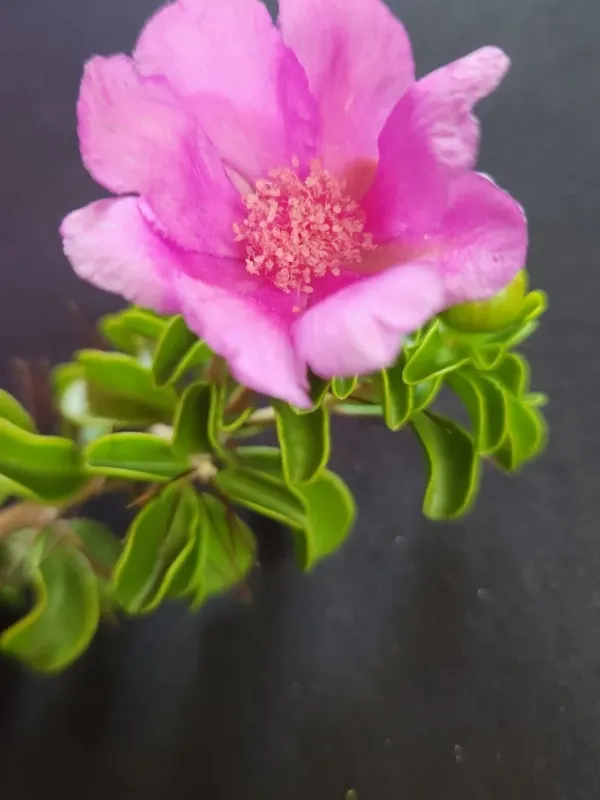
Description
Sowing dates
The propagation of Leuenbergeria portulacifolia is primarily achieved through stem cuttings during the active growing season. Spring is the ideal time to take cuttings, allowing the plant to establish roots before the winter dormancy.
Cuttings should be allowed to callous for several days in a shaded, dry area before being inserted into a well-draining sandy substrate. This practice significantly reduces the risk of fungal rot.
Seed propagation is more complex and requires a consistently warm environment between 25 and 30 degrees Celsius. High humidity levels are essential during the germination phase to ensure success.
When selecting a site for outdoor cultivation, ensure the soil is loose and aerated. Deep soil preparation helps prevent water logging, which is the most common cause of failure in this species.
Transplanting should be handled with care to avoid root damage. Providing a slight shade for the first week after transplanting helps the plant adjust to its new location.
Growing requirements
Leuenbergeria portulacifolia thrives in tropical climates and requires high levels of solar radiation. Full sun exposure is necessary for the development of its distinct woody structure and foliage.
The soil should have a neutral to slightly alkaline pH and excellent drainage properties. Incorporating volcanic rock or perlite into the growing medium is recommended for optimal soil structure.
The plant is highly sensitive to cold temperatures and must be kept above 10 degrees Celsius at all times. In colder zones, the plant should be cultivated in greenhouses or managed as a container plant.
Watering should be deep and infrequent, allowing the substrate to dry out entirely between sessions. This regimen mimics the natural drought cycles of its native Caribbean habitat.
Fertilization should be limited to the growing season using a balanced, low-nitrogen fertilizer. Over-fertilization can lead to weak, succulent growth that is prone to physical damage.
Main diseases and pests
The most significant threats to the health of this species are root and stem rots caused by pathogenic fungi in waterlogged environments. Preventive measures include proper soil drainage and limited watering.
Spider mites and mealybugs are the most common pests that infest the leaves and stems. Regular monitoring of the foliage is necessary to detect these pests before they form large colonies.
Bacterial blight can occur in highly humid and stagnant air conditions. Improving airflow around the crown of the tree is the primary defense against such infections.
Scale insects may attach to the wooden stems of the plant. If found, they can be manually removed or treated with horticultural oils during the cooler parts of the day.
Sanitation is a vital aspect of pest management; removing fallen leaves and dead debris from the base of the plant reduces the habitat for potential pathogens.