
Leuenbergeria bleo
Leuenbergeria bleo
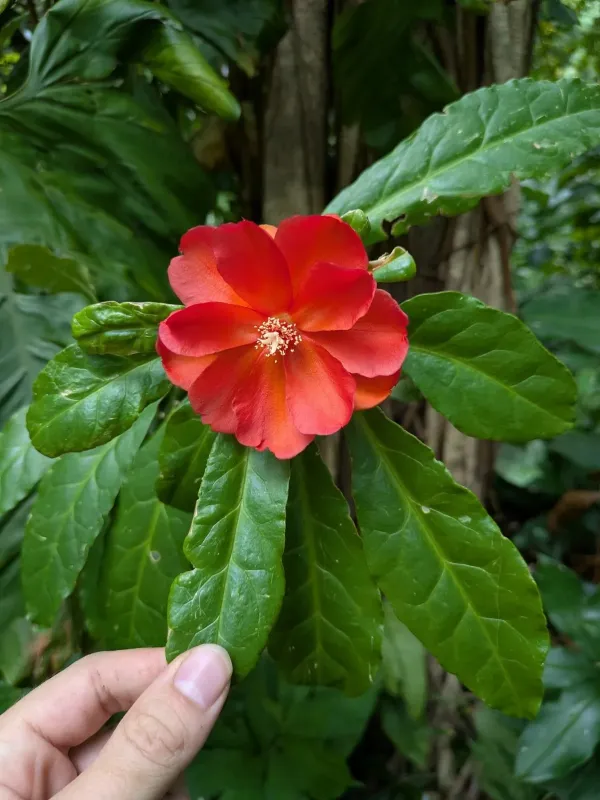
Description
Sowing dates
Propagation of Leuenbergeria bleo is most effectively achieved through stem cuttings, which possess a high rate of survival when planted in a well-draining medium. This vegetative method ensures the offspring maintain the characteristics of the parent plant, facilitating consistent yield.
Cuttings should be taken from vigorous, healthy branches during the active growing season. It is crucial to allow the cut ends to callus for several days in a shaded area to prevent fungal infection before they are introduced into a sandy, light substrate.
The rooting medium should provide good aeration while maintaining a slight level of moisture. High humidity and a stable temperature around 25-28 degrees Celsius are essential for rapid root development, which typically occurs within three to four weeks.
Seed propagation is possible but less common in commercial agriculture due to slower growth rates and the inherent variability in seed quality. For large-scale production, cuttings remain the gold standard for establishing new plantations.
Once rooted, young plants should be gradually acclimated to stronger light levels. Careful monitoring during the early stages of establishment is vital to ensure robust growth and prevent dehydration of the newly formed root systems.
Growing requirements
Leuenbergeria bleo is a unique member of the Cactaceae family, known for its leafy growth habit rather than the leafless structure of desert cacti. It thrives in tropical environments and requires a consistent supply of water and protection from frost.
The plant prefers bright, indirect sunlight to perform photosynthesis efficiently. While it can tolerate partial shade, maximum yield is achieved when light levels are optimized using greenhouse shading systems to avoid scorching the foliage.
Soil quality is paramount; the plant performs best in fertile, slightly acidic to neutral soils with excellent drainage. Incorporating organic matter, such as compost or peat, helps in retaining necessary moisture without waterlogging the roots.
Agricultural management includes regular fertilization using a balanced NPK fertilizer specifically designed for succulent plants. Nutrient uptake is most efficient during the peak growing season, while dormant periods require a cessation of feeding.
Pruning is an essential agrotechnical practice to keep the plant in a manageable shape and to promote the development of new, tender shoots. Regular trimming ensures that the plant remains productive and facilitates easier access for harvesting.
Yield
The primary yield from Leuenbergeria bleo consists of both its nutrient-dense leaves and its aromatic fruits. The leaves are frequently harvested for use in salads and cooked dishes, prized for their vitamins and antioxidant profile.
Fruit yield is dependent on the age and vigor of the bush. As a niche product, the fruits are highly valued for their unique acid-sweet flavor in regional markets. Proper horticultural management can extend the harvesting season significantly.
Yield stability is achieved through consistent water management and the prevention of stress, which could lead to leaf drop or fruit abortion. Younger plants should be given time to mature before being subjected to heavy harvesting schedules.
Integrated farm management, including the use of greenhouses, can significantly increase the total yield per square meter compared to traditional open-field cultivation in sub-optimal climates.
Productivity is maximized when the plant is treated as an intensive crop, with regular light pruning and targeted fertilization providing a continuous supply of fresh harvest throughout the growing cycle.
Main diseases and pests
Mealybugs and spider mites are the most common pests affecting Leuenbergeria bleo, particularly in enclosed greenhouse settings with low humidity. Early detection through routine field scouting is necessary to control populations before they reach economic thresholds.
Root rot is a major threat caused by poor drainage or excessive irrigation. Ensuring a high-quality drainage layer and appropriate soil structure is the best prophylactic measure against these lethal soil-borne pathogens.
Fungal leaf spot diseases can occur during periods of high humidity and stagnant air. Enhancing vertical and horizontal air circulation in the planting zone significantly reduces the risk of fungal proliferation on the foliage.
The plant's sharp spines pose a physical hazard to agricultural workers. Safety protocols, including the mandatory use of protective gloves and long-sleeved equipment, are essential to prevent injuries during day-to-day plantation maintenance.
Rodents may occasionally feed on the fleshy stems, causing structural damage. Implementing integrated pest management (IPM) strategies, including physical exclusion methods for greenhouses, is recommended to protect the crop.
Harvesting
Harvesting the leaves is typically done by hand-trimming young, tender branches. Workers must be equipped with appropriate protection to avoid injury from the spines, and tools should be sanitized regularly to prevent the spread of disease.
Fruit harvesting requires careful inspection to ensure that only fully ripened produce is collected. The skin of the fruit changes color as it matures, serving as a reliable indicator for the optimal timing of the harvest.
Freshly harvested fruits are highly perishable and should be moved to a cool, shaded environment immediately after picking. They should be handled with care to prevent bruising, which would compromise shelf life and aesthetic appeal.
For efficient distribution, the fruits are sorted by size and maturity level. Avoiding moisture on the fruit skin during storage is important to prevent rapid decay, as the surface is susceptible to microbial spoilage.
Once harvested, the produce should be transported in rigid containers that prevent physical compression of the fruits, ensuring that the product reaches the market in prime condition for consumers.