
Leuenbergeria lychnidiflora
Leuenbergeria lychnidiflora
Description
Growing requirements
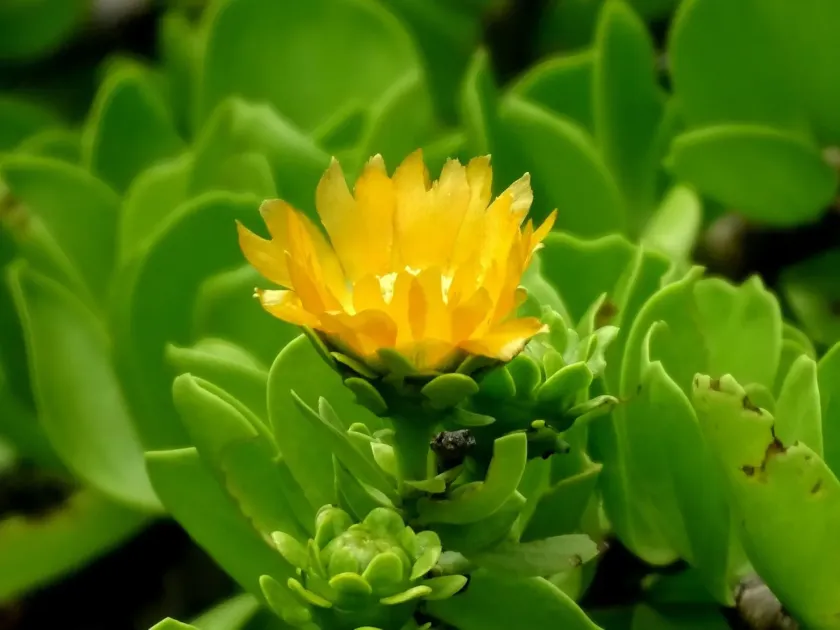
Leuenbergeria lychnidiflora is a unique, tree-like cactus belonging to the Cactaceae family. Unlike most advanced cacti, this species retains significant leaf morphology, providing researchers with insights into the evolutionary transition of the family.
Native to the dry forest regions of Central America, specifically Mexico and Nicaragua, the plant is well-adapted to environments with prolonged dry seasons. It requires high solar irradiance to maintain its metabolic processes and structural integrity.
Optimal growth requires a well-draining substrate, typically consisting of a mix of coarse sand, perlite, and organic matter. Achieving the correct drainage is paramount, as the plant is highly susceptible to root rot if water remains in the substrate for too long.
Climatic requirements involve stable warm temperatures. The plant thrives in conditions that mimic tropical dry forests, necessitating a period of drought during the winter months to prevent physiological stress or decay.
In terms of practical application, the plant serves as a specimen for botanical collections and a biological fence in arid climates. Its formidable spines provide protection, and its distinct appearance offers significant aesthetic value in landscape design.
Main diseases and pests
Root rot caused by overwatering remains the primary threat to the longevity of the plant. Maintaining strict irrigation protocols during the dormancy period is the most effective way to prevent soil-borne pathogens.
Pests such as mealybugs and spider mites frequently target the succulent leaves. Implementing integrated pest management, including regular visual inspections and targeted acaricide treatments, is essential for maintaining plant health in controlled environments.