
Astrantia minor
Astrantia minor L.
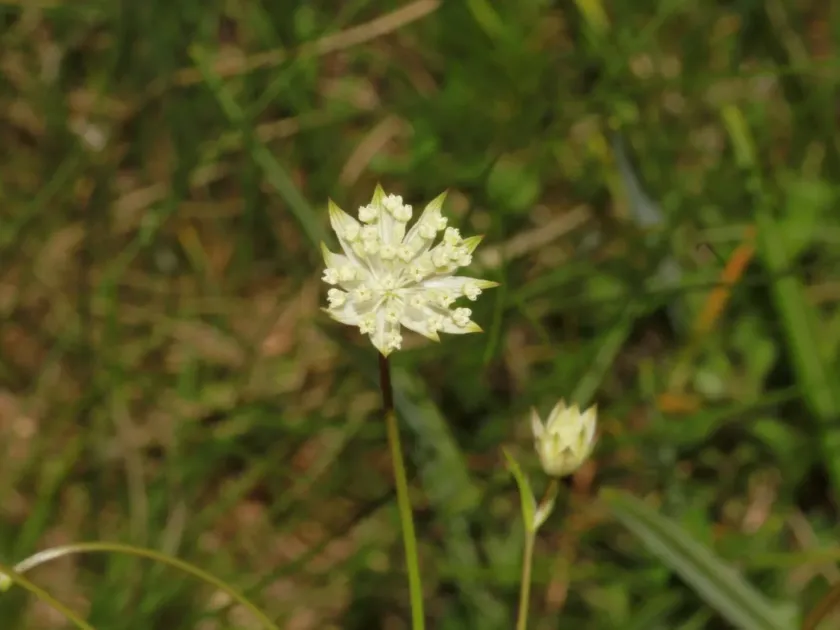
Description
Sowing dates
Astrantia minor is typically propagated by seeds that require a period of cold stratification to break dormancy and ensure successful germination.
For best results, seeds should be sown in late autumn in a cold frame or directly into the garden soil, allowing natural winter temperatures to trigger growth.
When sowing in spring, seeds must be kept in the refrigerator at low temperatures (around +2 to +4 degrees Celsius) for several weeks prior to planting.
The seeds should be covered with a fine layer of soil or compost, kept consistently moist, and placed in a partially shaded area to avoid overheating.
Vegetative propagation via division of mature clumps is also a highly effective method, which should be performed in early spring or autumn to ensure root establishment.
Growing requirements
Astrantia minor belongs to the Apiaceae family and thrives in cool, moist, and partially shaded environments, naturally mimicking its forest-edge habitats.
The ideal soil for this species is fertile, humus-rich, and moisture-retentive, yet it must have excellent drainage to prevent root rot.
Consistent watering is essential, particularly during dry spells, as this plant does not tolerate prolonged dehydration of the root system.
Providing a layer of organic mulch around the plant base helps maintain soil moisture, suppresses weeds, and contributes essential nutrients as it decomposes.
The plant is highly frost-tolerant and generally requires no special winter protection, making it a reliable perennial for temperate climate zones.
Yield
The primary horticultural use of Astrantia minor is its role as a decorative perennial, prized for its unique, star-shaped inflorescences.
It is widely utilized in landscape design for woodland gardens, shady borders, and cottage-style plantings where a delicate natural look is desired.
In the cut flower industry, Astrantia is highly valued for its long vase life and the structural, architectural quality it brings to floral arrangements.
Productivity in terms of bloom count depends on soil quality and light levels; plants in optimal conditions can produce multiple stems throughout the summer.
By incorporating Astrantia minor into professional gardens, growers can achieve a balance between aesthetic appeal and ecological compatibility with local fauna.
Main diseases and pests
While relatively robust, Astrantia minor can be susceptible to fungal issues such as powdery mildew or rust, especially in humid or poorly ventilated locations.
Pests such as slugs and snails are significant threats to young foliage, as they find the soft, developing leaves highly attractive during wet spring months.
Effective management involves maintaining proper spacing between plants to ensure good airflow and utilizing slug barriers or traps when infestation risk is high.
Fungal diseases should be managed using appropriate fungicide treatments and by ensuring that foliage remains dry during irrigation.
Regular monitoring of the garden bed and the prompt removal of affected plant parts are key strategies for maintaining overall plant health.
Harvesting
Stems meant for floral arrangements should be harvested when the flowers are fully opened to ensure maximum visual impact and structural stability.
Harvesting is best done in the early morning hours, as stems contain the highest water content then, which significantly extends their longevity in vases.
For dried floral displays, the flowers can be cut slightly earlier and hung upside down in a dark, well-ventilated space to preserve their shape and color.
Deadheading spent flowers throughout the season not only cleans up the plant but can also stimulate a secondary flush of blooms in late summer.
Cutting back the entire plant foliage after the first frost helps prepare it for winter dormancy and simplifies spring maintenance tasks.