
Astrantia major
Astrantia major L.
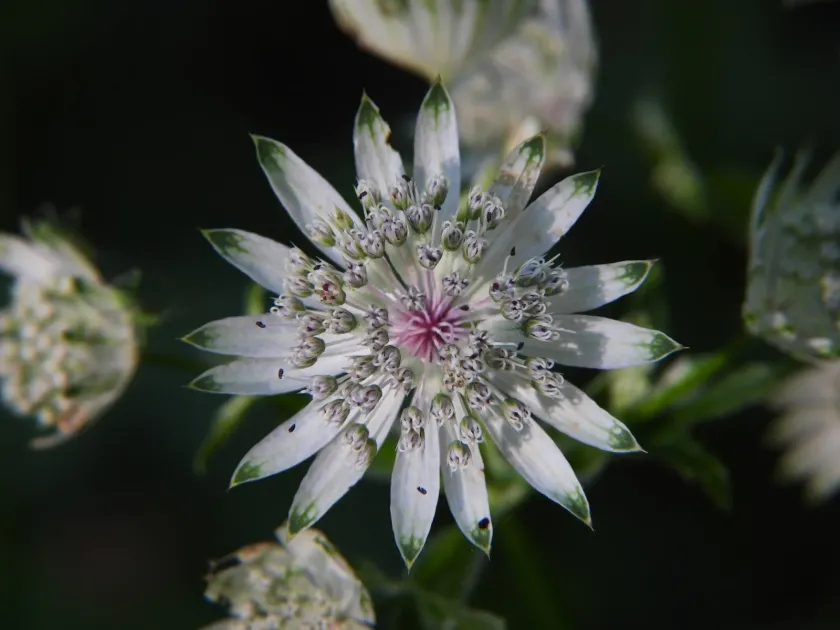
Description
Sowing dates
Astrantia major seeds possess inherent dormancy, requiring a period of cold stratification to trigger the germination process effectively in garden settings.
For best results, seeds should be sown in autumn to allow for winter chilling, or kept in moist sand in a refrigerator for at least two months before spring sowing.
When starting indoors, use a well-draining seed-starting mix, ensuring the containers remain in a cool, bright environment after the initial cold treatment phase.
Seedlings should be thinned or pricked out into individual pots once they develop their first set of true leaves to provide adequate space for root system growth.
Transplanting to the final location is performed in late spring, ensuring the young plants are hardened off gradually to withstand the outdoor environmental conditions.
Growing requirements
Astrantia major, commonly known as masterwort, is a rhizomatous perennial belonging to the Apiaceae family, native to European mountain meadows and woodland edges.
The plant thrives in rich, moisture-retentive, and humus-heavy soils that offer consistent hydration throughout the growing season without becoming waterlogged.
While the species is highly adaptable, it reaches optimal performance in partial shade conditions, mimicking its natural forest habitat and protecting foliage from sun scorch.
Regular irrigation is essential, particularly during high-temperature periods, as the plant reacts quickly to soil moisture deficiency by wilting its distinctive leaves.
Routine maintenance includes annual mulching with organic compost and the application of balanced fertilizers in early spring to fuel the intensive flowering display.
Main diseases and pests
Masterwort is generally considered a low-maintenance perennial, yet it can be susceptible to fungal issues if provided with poor air circulation or excessive soil moisture.
Powdery mildew may occasionally affect the foliage during humid summers, requiring the removal of infected leaves and improved spacing to facilitate better airflow.
Slugs and snails are the primary pests that damage fresh spring growth, often requiring physical barriers or organic pest control methods to protect delicate tissues.
Vigilant monitoring for leaf-spotting diseases is recommended, especially in damp regions, as these can reduce the overall aesthetic value of the plant’s foliage.
Maintaining a clean garden bed by removing decaying plant matter in the autumn significantly reduces the overwintering potential for pathogens and pests.
Harvesting
Astrantia major is highly valued as a cut flower, with stems typically harvested when the involucral bracts are fully expanded and the central floret structure is firm.
To maximize vase life, stems should be cut early in the morning, immediately submerged in cool water, and placed in a location away from direct sunlight and heat sources.
For seed production, allow the flower heads to mature and turn brown on the stalk before cutting them for collection, ensuring thorough drying in a ventilated area.
If the objective is to promote a second flush of flowers, gardeners should perform a deadheading process, removing spent stalks to encourage secondary growth from the crown.
At the end of the season, once the foliage begins to yellow and die back naturally, cut the stems down to the ground to clear the area for winter dormancy.