
Greater masterwort
Astrantia major ssp involucrata W.D.J. Koch
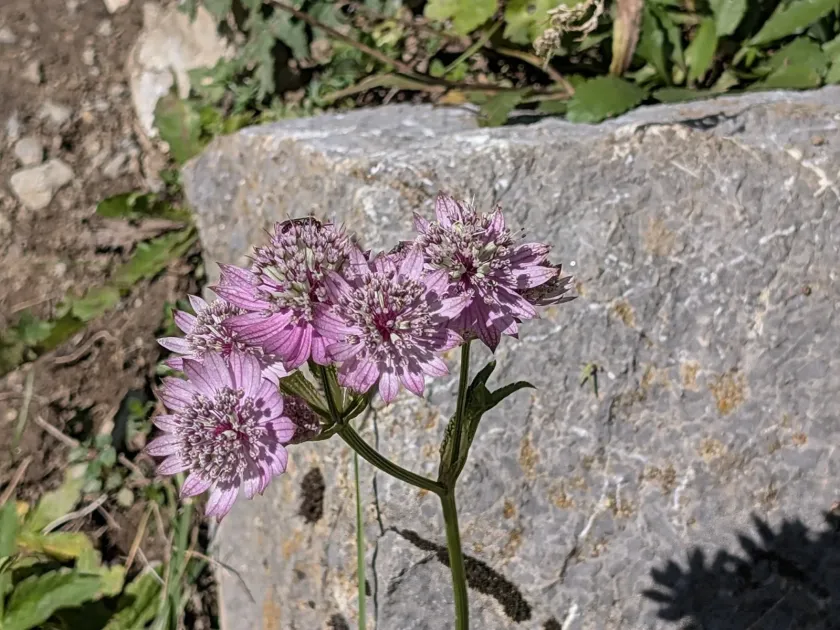
Description
Sowing dates
Astrantia major ssp involucrata is a member of the Apiaceae family. Propagating this perennial via seeds requires cold stratification for 8–12 weeks at temperatures between 2°C and 5°C to break dormancy, or sowing in late autumn for natural outdoor stratification.
When sowing, cover the seeds with a thin layer of fine soil or vermiculite, as they require consistent moisture for germination. The process can be slow and sporadic, making patience essential for successful establishment.
Clump division is the preferred propagation method for gardeners who want to keep specific cultivars true to type. This is best performed in early spring or autumn by lifting the plant and carefully separating the rootstock.
Spacing is crucial for healthy plant development. Plants should be placed 35–45 cm apart to allow for proper air circulation, which is vital for preventing common foliage diseases that thrive in cramped conditions.
Once established in their permanent location, the plants benefit from minimal disturbance. They gradually spread over time to form attractive, lush clumps that fill gaps in shade or woodland gardens effectively.
Growing requirements
Greater masterwort thrives in partial shade, particularly in climates with hot summers. In cooler, northern regions, it can tolerate more sunlight provided the soil remains consistently moist throughout the growing season.
The ideal soil is moisture-retentive, rich in organic matter, and fertile. It does not perform well in sandy, fast-draining soils that dry out quickly, nor in heavy, waterlogged clay that restricts oxygen to the roots.
Regular watering is the most critical aspect of maintenance. Mulching with garden compost or leaf mold helps retain soil moisture and suppresses weeds, reducing the need for constant manual intervention.
Though not strictly necessary, an application of a balanced slow-release fertilizer in early spring can boost vegetative growth. After the primary blooming period, cutting back spent flowers often encourages a second flush.
It is important to keep the area around the base of the plant clear of debris to prevent rot, especially during wet autumn and spring months when the plant is prone to fungal issues.
Main diseases and pests
Slugs and snails are the primary pests of Astrantia major. These mollusks are attracted to the soft, lush foliage, especially in moist and shaded garden environments where they can hide during the day.
Powdery mildew is a common fungal threat, particularly in late summer when the air is warm and circulation is poor. Ensuring adequate spacing and watering the roots directly rather than the leaves helps mitigate this.
Root rot can occur if the drainage is poor or if the plant sits in stagnant water. Amending soil structure with organic matter or grit before planting is a vital preventive measure to ensure root health.
Aphids might appear on the tender flower buds during a dry spell. These can usually be managed by strong water jets or insecticidal soaps, avoiding the need for harsh chemicals that harm beneficial insects.
Regular sanitation, such as removing yellowed leaves and clearing away surrounding weeds, helps maintain the vigor of the plant and minimizes the habitat for common garden pathogens.
Harvesting
Greater masterwort is highly prized as a cut flower. Harvest the stems when the bracts are fully expanded and the central florets are just starting to show pollen for optimal vase life and aesthetic appeal.
In a vase, fresh Astrantia stems can last up to two weeks. It is recommended to trim the stems at an angle every few days and refresh the water to ensure maximum longevity for the floral arrangement.
The flowers are also excellent for drying. To preserve them, hang them upside down in a cool, dark, and well-ventilated space until the moisture has completely evaporated, keeping their intricate shape intact.
For winterization, cut the foliage back to ground level after the first hard frost. This process cleans up the garden bed and prepares the plant for a period of dormancy during the winter months.
If collecting seeds, leave the seed heads on the stems until they are dry and brown. Carefully cut the heads, store them in a paper bag, and shake them to release the seeds once they have fully matured.