
Astrantia maxima
Astrantia maxima Pall.
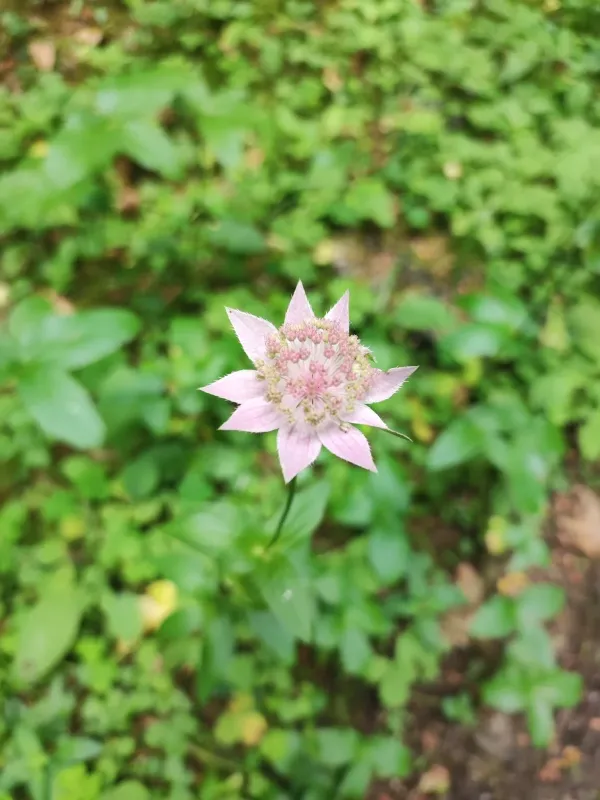
Description
Sowing dates
Propagation of Astrantia maxima via seeds requires a mandatory stratification process, lasting up to three months in a cold environment.
In temperate climates, sowing seeds directly into the garden soil during autumn allows for natural winter stratification to occur.
For indoor propagation, seeds should be sown in early spring in well-draining seed-starting mix, ensuring constant but moderate moisture levels.
Germination typically occurs within a few weeks if the containers are kept in a bright location out of direct, intense sunlight.
Transplanting seedlings to their final location is best performed once the threat of frost has passed, ensuring sufficient spacing for development.
Growing requirements
Astrantia maxima, a member of the Apiaceae family, thrives in woodland-like settings that offer partial shade and consistent soil moisture.
The ideal soil is rich in organic matter, loam-based, and capable of retaining moisture without becoming waterlogged during the rainy season.
Regular watering is essential, especially during the peak of summer, to prevent the foliage from scorching and to extend the blooming period.
This perennial is known for its hardiness, surviving cold winters well, provided there is some protective mulch cover against severe frost.
Annual fertilization with balanced slow-release nutrients in early spring supports vigorous growth and robust floral displays throughout the season.
Main diseases and pests
While generally resilient, Astrantia maxima can be susceptible to powdery mildew, especially if air circulation within the plant patch is restricted.
Slugs and snails present a significant threat to young plants, frequently feeding on leaves and stems during damp and cool spring weather.
Aphids might occasionally infest the flower buds during prolonged heatwaves, necessitating the use of targeted insecticidal soaps or sprays.
Maintaining a clean garden bed by removing old debris helps prevent the overwintering of fungal spores and harmful pest populations.
Integrated pest management strategies are recommended, focusing on cultural practices such as thinning plants to ensure adequate ventilation.
Harvesting
The primary economic value of Astrantia maxima lies in its use for ornamental landscaping and as a highly sought-after component in cut flower arrangements.
For floral design, harvesting should occur when the bracts are fully opened to ensure that the unique structure of the inflorescence is well-preserved.
Gardeners often remove spent flower heads to encourage a secondary flush of blooms and to tidy the appearance of the foliage later in the year.
Dividing established clumps every four to five years helps maintain plant vigor and offers a sustainable way to increase the number of specimens.
After the growing season concludes, foliage can be cut back to the base, signaling the plant's entry into dormancy before the upcoming spring cycle.