
Leptodictyum
Leptodictyum
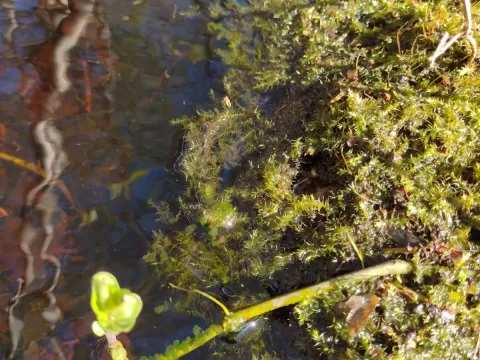
Leptodictyum is a genus of mosses belonging to the Amblystegiaceae family. Often found in temperate regions, it is frequently associated with damp habitats, including riverbanks, wet stones, and decaying wood, exhibiting remarkable adaptability to varying water levels.
What the section contains

Leptodictyum
In cultivation, Leptodictyum is prized for its rapid growth rate and ability to form dense, lush mats. This makes it an ideal candidate for aquaculture, bio-filtration systems, and decorative aquascaping, where it provides essential structural complexity and shelter for aquatic organisms.
The plant thrives in water with stable chemical properties, generally preferring neutral to slightly acidic pH levels. Maintaining a consistent temperature range between 18°C and 25°C is crucial, as extreme heat often causes the moss to lose its structural integrity and vitality.
Light requirements for Leptodictyum are moderate; excessive light can trigger algae blooms, while insufficient light leads to elongated, weak stems. A balance of indirect lighting ensures the moss maintains a compact, healthy, and vibrant appearance suitable for commercial use.
Successful cultivation requires attention to water flow, which helps deliver essential nutrients directly to the moss surface. While it can tolerate low-nutrient environments, the addition of trace fertilizers and carbon dioxide supplementation can significantly boost biomass production in controlled settings.
The primary threat to Leptodictyum is the competition from filamentous algae. These invasive organisms can quickly smother the moss, blocking the light and nutrients necessary for photosynthesis, leading to rapid decline if not managed through rigorous water quality control.
Accumulation of organic detritus within the dense moss structure often creates pockets of anaerobic conditions. This environment promotes decay and the development of harmful bacteria, which can cause the moss to rot from the base upward.
Inconsistent environmental parameters, such as sudden shifts in water chemistry or temperature spikes, act as significant stressors. Such instability often triggers a breakdown of the moss tissue, causing it to fragment and detach from its substrate.
Pest outbreaks, specifically from snails or crustacean larvae, can cause severe mechanical damage. When these pests are present in high numbers, they feed on the delicate tips of the moss, significantly hindering its reproductive and growth capabilities.
Incorrect application of water treatments or herbicides can also prove toxic to this species. Given its sensitive nature, even moderate doses of chemicals intended to clear other plants can cause irreversible damage to the Leptodictyum colony.