
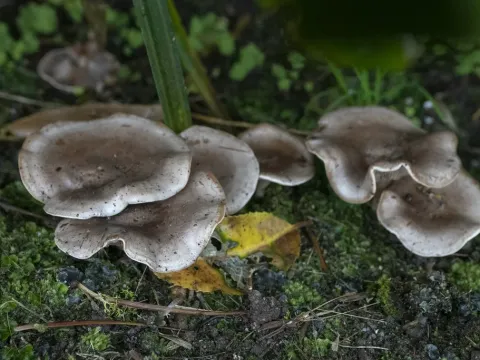
Lepista
Lepista
The cultivation of Lepista species usually begins with the inoculation of high-quality grain spawn into a prepared substrate during the autumn season.
What the section contains


Lepista
In controlled indoor environments, sowing can be performed year-round provided that a stable substrate temperature of 12–16 degrees Celsius is maintained.
The substrate should consist of fermented organic matter, such as hardwood sawdust or a straw-based compost, ensuring it is properly pasteurized.
After the spawn is evenly distributed, a casing layer consisting of peat and lime is applied to maintain the necessary moisture levels for mycelium development.
Strict hygiene standards must be enforced during the sowing process to prevent contamination from competing molds and bacteria.
Lepista mushrooms are saprotrophic organisms that thrive in nutrient-rich, cellulose-heavy environments with a neutral pH balance.
Maintaining a relative humidity of 80–85% is essential for optimal growth, while adequate drainage prevents the substrate from becoming waterlogged.
While the mycelium prefers temperatures between 15 and 22 degrees Celsius, triggering fruiting usually requires a drop in temperature to 10–12 degrees.
Proper ventilation is necessary to ensure gas exchange, though excessive drafts should be avoided as they can cause the fruiting bodies to dry out.
Light levels are not strictly critical, although ambient, indirect light is often beneficial for the development of characteristic color patterns in the mushrooms.
Yield potential depends heavily on the quality of the substrate, the potency of the selected strain, and precise environmental management throughout the growth cycle.
Experienced growers typically achieve multiple flushes, with total production reaching 15–20% of the substrate weight in ideal conditions.
The first harvest usually occurs several months post-inoculation, with peak productivity appearing in the second or third month after the start of fruiting.
To maximize continuous output, growers must maintain the integrity of the casing layer and replenish moisture between the successive waves of harvest.
Using certified, lab-tested spawn is the most reliable way to ensure consistent yields and avoid crop failure caused by genetic mutations.
Fungus gnats and phorid flies represent the primary insect threats, as their larvae can rapidly destroy both the developing mycelium and mature fruiting bodies.
Trichoderma molds are a common competitive threat that thrives when the substrate has not been properly pasteurized or when humidity is poorly controlled.
Bacterial blotch may occur under conditions of high humidity combined with poor airflow, leading to the rapid decay of the mushroom caps.
Preventative measures include the use of insect traps, maintaining strict facility cleanliness, and regular monitoring for early signs of infection.
Infected substrate blocks should be immediately removed from the growing area to protect the rest of the crop from widespread contamination.
Harvesting is performed by gently twisting the mushroom out of the substrate, which minimizes damage to the underlying mycelial network.
It is best to harvest when the cap has fully expanded but before the edges have started to curl upwards significantly to maintain peak culinary quality.
The harvested mushrooms should be handled with care to avoid bruising, as their tissue is often delicate and prone to mechanical damage.
Immediate cooling to 2–4 degrees Celsius is required to stabilize the product and ensure a longer shelf life before distribution.
- Regular daily inspection of beds.
- Careful removal of all stalk remnants.
- Storage in well-ventilated containers.