
Lepista sordida
Lepista sordida (Schumacher:Fries) Singer
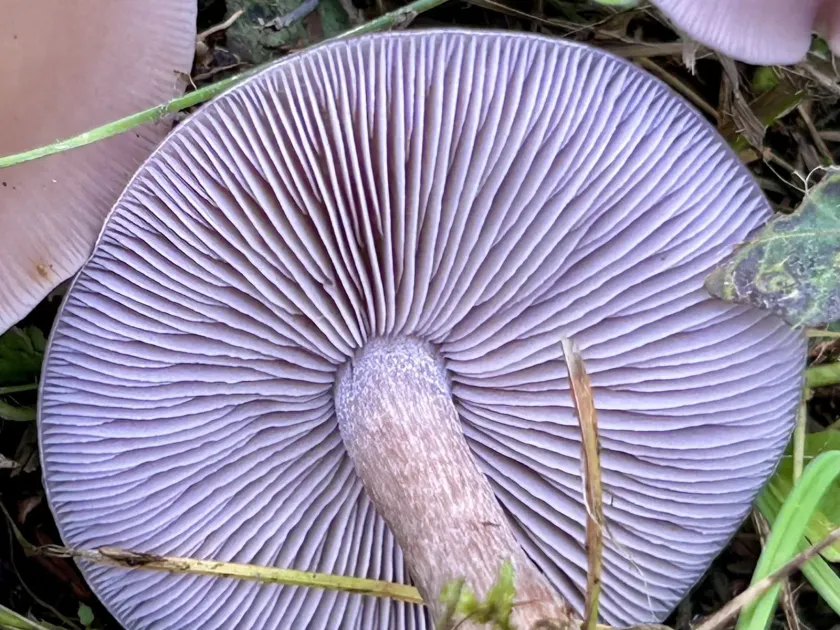
Description
Sowing dates
Inoculation of Lepista sordida mycelium is typically performed from April to September, when substrate temperatures reliably remain above +15°C.
Select shaded areas such as garden beds under tree canopies or climate-controlled greenhouses to protect the developing mycelium from harsh sunlight.
The spawn should be evenly distributed across a prepared organic substrate consisting of straw, wood chips, and compost mixed with garden soil.
After inoculation, cover the spawn with a 3–5 cm layer of moist, nutrient-rich soil or humus to create a consistent microclimate for hyphal development.
Successful colonization of the substrate is usually visible within 3 to 4 weeks, characterized by the appearance of dense white mycelial threads.
Growing requirements
Lepista sordida belongs to the Tricholomataceae family and is a saprotrophic fungus that thrives on decomposing organic matter.
Optimal temperatures for vegetative mycelial growth range from +18°C to +25°C, while fruiting is triggered by a drop to +12…+16°C.
The culture requires high soil moisture levels between 70–80%, though effective drainage is essential to prevent waterlogging and subsequent root rot.
A slightly acidic to neutral substrate with high humus content provides the best environment for the production of vigorous fruiting bodies.
Light levels should be kept low to moderate, as direct ultraviolet radiation can desiccate the substrate and inhibit the growth of the mushroom cap.
Yield
Total yield is highly dependent on the quality of the nutrient substrate and the maintenance of environmental stability throughout the growing period.
Under intensive cultivation methods, growers can expect 4–6 kg of fresh mushrooms per square meter across multiple fruiting flushes per season.
Mycelium typically remains productive for 2–3 years, after which the substrate should be replenished or replaced to maintain high production levels.
Supplementing the substrate with organic additives and essential minerals can significantly improve the weight and marketability of the fruiting bodies.
Consistent environmental monitoring ensures a steady harvest, allowing for predictable output from late summer until the onset of late autumn frosts.
Main diseases and pests
Common pests affecting this species include fungus gnats and sciarid flies, which lay eggs in the mushroom tissue, causing damage to the stalks.
Pathogenic molds and bacterial rots are frequent risks, often resulting from poor ventilation or excessively wet, stagnant substrate conditions.
Slugs and snails pose a constant threat to emerging mushrooms, requiring the implementation of mechanical barriers to protect the harvest area.
Prevention relies on strict sanitary practices and the avoidance of using raw, uncomposted manure, which acts as a vector for pathogens.
- Regular inspection of developing mushrooms
- Control of humidity to prevent mold formation
- Use of targeted organic biological control agents
Harvesting
Mushrooms should be harvested selectively as soon as the caps reach 3–8 cm in diameter, before they fully expand or the gills start to darken.
Use a gentle twisting motion to extract the mushrooms from the substrate to minimize disturbance to the underlying mycelial network.
After harvesting, lightly pat down the soil and add a small amount of fresh substrate to protect the exposed mycelium from dehydration.
Post-harvest storage should be done in cool conditions at +2…+4°C, as the mushrooms are delicate and lose freshness rapidly at room temperatures.
Lepista sordida is highly regarded for its culinary versatility, offering a pleasant aroma suitable for pickling, salt-curing, and various cooked dishes.