
Wood blewit
Lepista nuda (Bulliard:Fries) Cooke
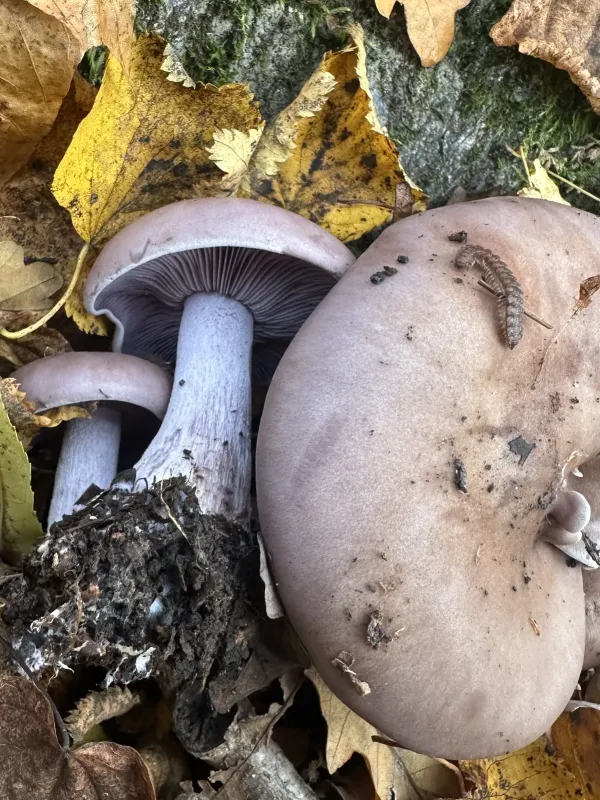
Description
Sowing dates
The wood blewit (Lepista nuda) is a member of the Tricholomataceae family and is widely valued for its culinary qualities. It is a saprotrophic mushroom that naturally decomposes organic matter, making it an excellent candidate for semi-intensive cultivation techniques.
The ideal time for inoculating the substrate is during spring, once soil or substrate temperatures stabilize, or in the early autumn. The preferred substrate consists of a mixture of cereal straw, wood chips, and leaf mold, supplemented with organic nitrogen to boost growth.
Inoculation is performed by placing grain-based mushroom spawn deep into the prepared, pasteurized substrate. Ensuring deep contact between the spawn and the nutrient-rich mixture is crucial for the successful expansion of the mycelium throughout the entire growing medium.
Following inoculation, the substrate is typically covered with a layer of casing soil (peat mixed with lime). This layer acts as a moisture reservoir and provides the necessary microenvironment for the formation of mushroom primordia.
The incubation period required for full substrate colonization usually spans three to six weeks. During this time, maintaining a dark, humid environment is essential to allow the mycelium to establish itself before the fruiting phase begins.
Growing requirements
Wood blewits thrive in high-humidity conditions, requiring air moisture levels between 80% and 85%. Maintaining consistent humidity is critical, as fluctuations can stall the development of fruiting bodies and lead to tissue desiccation.
The optimal temperature range for the vegetative phase is 15–20 degrees Celsius. Deviating from these parameters often results in malformed mushrooms or stunted growth, highlighting the importance of precise climate control in indoor farming.
The substrate must have a neutral pH for optimal enzymatic activity of the mycelium. Growers often add lime or chalk to the substrate mixture to buffer the pH level and create a stable, non-acidic environment conducive to growth.
While light is not essential for mycelial expansion, providing weak, indirect light during the primordia formation stage is beneficial. Proper lighting encourages healthy growth patterns and natural coloration of the mushroom caps.
Effective ventilation is a fundamental requirement of wood blewit cultivation. The system must continuously replace air to prevent the buildup of carbon dioxide, which can cause elongated stems and poor cap development in the crop.
Yield
When grown under professional conditions, wood blewits can yield between 15 and 25 kilograms per square meter of substrate. Yield is highly dependent on the quality of the substrate and the consistency of the environmental parameters maintained during the cycle.
The mushrooms develop in flushes, which allow for multiple harvests during a single production cycle. After each harvest, it is important to provide the mycelium with a short rest period and moderate rehydration to stimulate the next flush.
Supplementing the base substrate with additives like bean flour or wheat bran can significantly increase overall yield. However, excessive supplementation should be avoided to prevent overheating and the risk of competitor mold contamination.
The productivity of the crop is closely linked to the temperature drop (the cold shock) initiated at the onset of the fruiting phase. This stimulation is necessary to transition the mycelium from vegetative growth to reproductive development.
After three to four flushes, the substrate is generally depleted. At this point, the spent mushroom substrate serves as an excellent organic fertilizer for home gardens or agricultural fields, completing the cultivation cycle.
Main diseases and pests
The most significant threat to wood blewit cultivation is green mold (Trichoderma), which can quickly overwhelm the substrate if hygiene standards are not met. Thorough pasteurization of the substrate is the most effective preventative measure.
Pests such as sciarid flies are common in mushroom farming. Their larvae can burrow into the mushrooms, rendering them unmarketable. Integrated pest management, including sticky traps and biological control agents, is recommended to mitigate this risk.
Bacterial blotch is a common issue caused by excess surface moisture and poor ventilation. Proper air circulation and managing humidity levels are essential to prevent the spread of these bacterial infections across the mushroom caps.
Mites can also pose a risk by feeding directly on the mushroom mycelium, which reduces the health and productivity of the entire block. Regular disinfection of the growing area and equipment is necessary to maintain a healthy production facility.
If the substrate becomes too acidic or the temperature drops too low for extended periods, the development of the mushrooms will stop. Continuous monitoring of substrate parameters is necessary to identify and correct issues before they cause yield loss.
Harvesting
Harvesting should be done manually by gently twisting the mushrooms out of the substrate rather than cutting them. This method ensures that the base of the stem is removed, which helps maintain the hygiene of the growing area.
The ideal harvest time is when the mushroom cap is firm and the edges are still slightly curled downward, before the spores are released. This stage ensures the best texture and shelf life for the harvested product.
After collection, the mushrooms must be cooled immediately to 2–5 degrees Celsius to preserve their freshness. Slowing the respiration rate is key to extending the storage life of the harvest before it reaches the consumer.
Sorting and packing should be done in ventilated containers to prevent moisture buildup. Wood blewits have a dense flesh that allows for relatively safe transport, provided the mushrooms are not stacked too high in the crates.
The harvested yield should be sold or processed within two to three days. Proper adherence to post-harvest handling guidelines ensures that the distinct aroma and quality of the wood blewit are preserved for the end user.