
Indosasa
Indosasa McClure
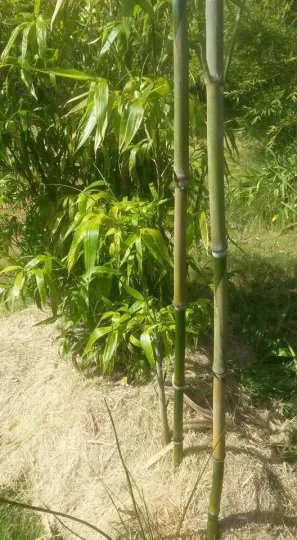
Description
Growing requirements
Indosasa McClure is a genus of perennial woody bamboos in the grass family, Poaceae. Known for their structural elegance and rapid growth, these plants are popular in specialized botanical collections.
Originating primarily from the subtropical forests of China, these bamboos thrive in warm, humid environments. They have adapted to survive in areas with high annual rainfall and moderate temperatures.
For cultivation, Indosasa requires well-drained, nutrient-rich soil with a slightly acidic to neutral pH. They do not tolerate waterlogged conditions, which can lead to rapid root decay.
Climate preference is crucial for this genus. They perform best in areas where they are protected from harsh winter frosts, as extreme cold can damage the emerging rhizomes and delicate foliage.
Proper spacing is essential, as the rhizomatous root system can be invasive if not managed correctly. Planting them in designated zones or using root barriers is recommended for garden control.
Main diseases and pests
Indosasa is susceptible to common bamboo diseases, including leaf spot fungi and rust, which often occur in crowded plantings with poor air circulation and excessive humidity.
Pests like bamboo mites and scale insects can weaken the plant by sap-sucking. Regular inspections of the foliage and stems are necessary to identify early signs of infestation.
Management of these threats includes cultural practices such as removing dead stems, thinning out dense clumps, and ensuring the foliage dries quickly after rain.
Chemical control, including the application of fungicides and horticultural oils, should be used sparingly and only when cultural methods prove insufficient to suppress the pest population.
Monitoring the soil health is also a defensive measure against soil-borne pathogens, ensuring that the plant's overall vigor remains high to naturally resist environmental stress.
Harvesting
The primary economic use of Indosasa is the harvesting of culms for construction, traditional bamboo crafts, and pulp production. The wood is prized for its tensile strength and flexibility.
Harvesting is typically done after a maturation period of 3 to 5 years. This ensures the culms are strong enough to withstand stress and have reached their full diameter and wall thickness.
In landscaping, Indosasa is highly valued for its dense evergreen foliage, which makes it an excellent candidate for tall screening, privacy hedges, and natural sound barriers.
The young shoots of certain species within the genus are harvested for culinary purposes. They are processed through boiling to remove natural tannins before they are fit for consumption.
Sustainable harvesting techniques, such as the selective cutting of older stems, help maintain the health of the clump and encourage the proliferation of vigorous new shoots.