
Lepidozamia
Lepidozamia
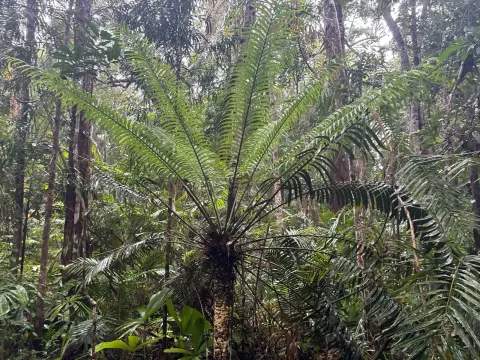
Lepidozamia is a genus of ancient gymnosperms belonging to the Zamiaceae family. These cycads are known for their slow growth and architectural, palm-like appearance that adds a prehistoric aesthetic to collections.
What the section contains

Lepidozamia
The genus originates from the tropical and subtropical forests of eastern Australia. In their natural environment, these plants thrive in shaded understory areas with high humidity and consistent rainfall.
Successful cultivation requires a porous, well-draining substrate rich in organic matter. A mixture of peat, perlite, and coarse bark is ideal to prevent root compaction and waterlogging.
The climate requirements involve maintaining a temperature range between 20°C and 28°C. Being a tropical plant, it is extremely sensitive to freezing temperatures and prefers stable environmental conditions.
Proper care includes moderate irrigation, allowing the top layer of the soil to dry out between waterings. During the active growth season, dilute liquid fertilizer can be applied periodically to support foliage development.
Scale insects and mealybugs are the most common pests that affect the fronds of Lepidozamia. They tend to hide in the crevices of the trunk and at the base of the leaves.
Root rot is the primary threat to the longevity of the plant, usually caused by overwatering or poor drainage. It is crucial to use containers with adequate drainage holes to prevent standing water.
Spider mites can become a problem in low-humidity environments, especially when the plant is kept indoors during winter. Increasing humidity levels can significantly reduce the risk of infestation.
Fungal leaf spot diseases may appear if the foliage stays wet for too long without adequate ventilation. Keeping the leaves dry and ensuring proper air circulation is the best preventive strategy.
General neglect or poor light conditions may weaken the plant, making it more susceptible to secondary infections. Regular monitoring of the foliage and root health is essential for survival.