
Lepidozamia peroffskyana
Lepidozamia peroffskyana
Description
Growing requirements
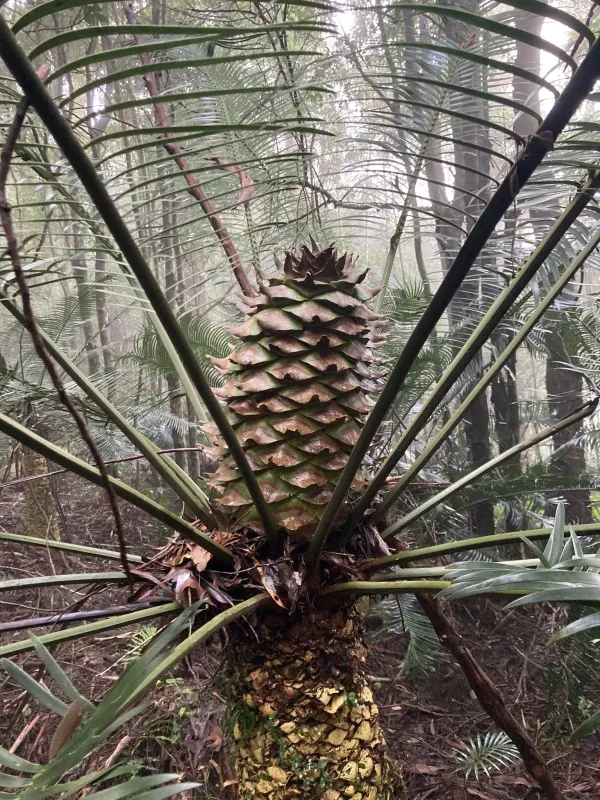
Lepidozamia peroffskyana is a distinctive member of the Zamiaceae family, classified under the cycad order. Native to the subtropical rainforests of eastern Australia, this plant is naturally adapted to sheltered environments with high moisture levels and rich, well-draining soil.
The plant features a sturdy, column-like trunk and long, graceful, dark green fronds. Being a gymnosperm, it reproduces via cones rather than flowers, which is a key biological characteristic that differentiates it from true palm trees despite their superficial resemblance.
For successful cultivation, the plant requires bright, indirect light. Direct tropical or subtropical sun may scorch the foliage, while deep shade will slow its already modest growth rate. Maintaining consistent temperature ranges between 20°C and 28°C is essential for optimal physiological activity.
Regarding soil management, it is critical to provide a porous growing medium. A blend consisting of compost, coarse sand, and perlite works effectively to ensure oxygen circulation around the root zone, preventing the anaerobic conditions that cause systemic decay.
In ornamental horticulture, this species is highly valued for its prehistoric aesthetic and architectural presence. It serves as a flagship species for exotic plant collections and landscape designs in frost-free regions, requiring patience due to its slow developmental pace.
Main diseases and pests
Typical pests include scale insects and mealybugs, which tend to congregate near the leaf bases or on the undersides of the fronds. Regular inspection and the use of horticultural oils or specialized systemic insecticides are standard procedures to keep these pests under control.
Fungal pathogens such as Phytophthora or various root rot fungi are the most lethal threats, usually exacerbated by overwatering. Ensuring that the substrate dries slightly between waterings is the best cultural practice to prevent these devastating soil-borne diseases.