
Lasianthus strigosus
Lasianthus strigosus
Description
Growing requirements
Lasianthus strigosus is a tropical plant belonging to the Rubiaceae family. Native to the dense, humid rainforests of Southeast Asia, it typically occupies the understory of primary forests.
The plant requires a nutrient-rich, well-draining soil substrate with a slightly acidic profile. In terms of moisture, it thrives in environments that maintain constant humidity without waterlogging, which could cause root rot.
Temperature requirements for this species range between 22 and 28 degrees Celsius. As a shade-loving plant, it requires protected growing areas where intense sunlight is filtered to prevent leaf scorching and desiccation.
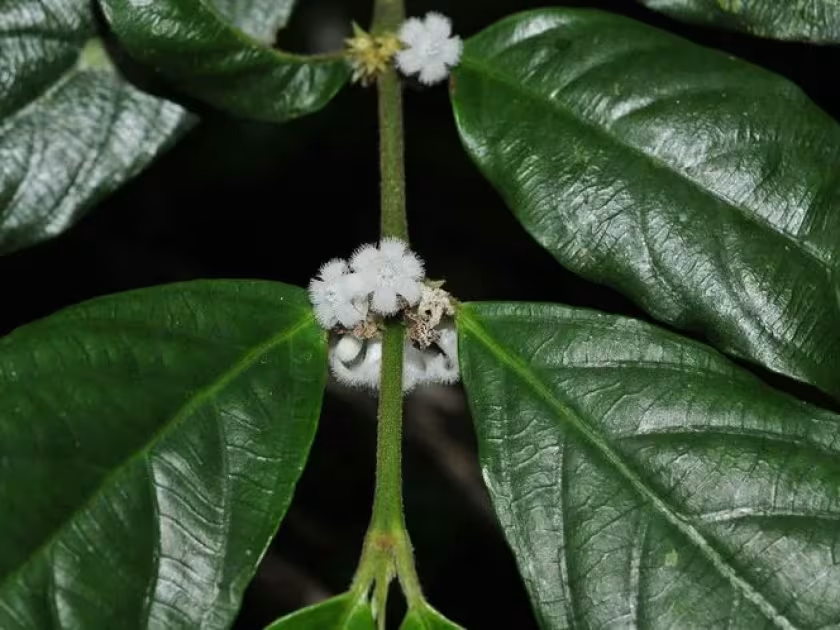
Botanically, it features opposite leaves with distinct stipules and small drupaceous fruits. Its growth habit is that of a compact shrub, which makes it an interesting subject for greenhouse cultivation and tropical botanical research.
Successful crop management involves maintaining high ambient humidity levels and providing consistent airflow. This balance is critical to supporting the physiological functions of the plant throughout its annual growth cycle.
Main diseases and pests
Common plant health issues include fungal infections such as root rot and leaf spots, which are exacerbated by high humidity combined with poor air circulation. Proper ventilation remains the best preventative measure.
Pests that frequently target Lasianthus strigosus include spider mites and mealybugs. These pests thrive in dry indoor conditions and can quickly compromise the plant's health by sapping vital nutrients.
Integrated pest management (IPM) strategies are highly recommended to control populations of these insects without damaging the delicate foliage of the shrub.
Maintaining plant hygiene by removing dead or dying leaves is essential to prevent the spread of opportunistic pathogens. Regular monitoring is key to early detection of any physiological stress.
To strengthen the plant's natural resilience, balanced fertilization programs focusing on macro and micronutrients should be implemented, ensuring that the plant does not suffer from nutrient deficiencies that lead to increased susceptibility to disease.