
Lasianthus attenuatus
Lasianthus attenuatus
Description
Growing requirements
Lasianthus attenuatus is a shrub belonging to the Rubiaceae family, widely distributed in the tropical forest understory. It is known for its ability to thrive in shaded, humid environments where it plays a role in the local forest ecosystem.
To cultivate this species, one must replicate tropical forest conditions characterized by high humidity levels and stable temperatures. Direct sunlight should be avoided, as it can easily damage the delicate leaf structure of the plant.
The substrate should be lightweight, well-draining, and rich in leaf mold to provide the necessary nutrients. It is crucial to maintain a slightly acidic pH, which reflects the natural forest soil conditions where the plant originates.
Temperature management is key to success, with the optimal range being between 20 and 28 degrees Celsius. Any drop below 15 degrees Celsius for an extended period can lead to metabolic slowdown or leaf drop.
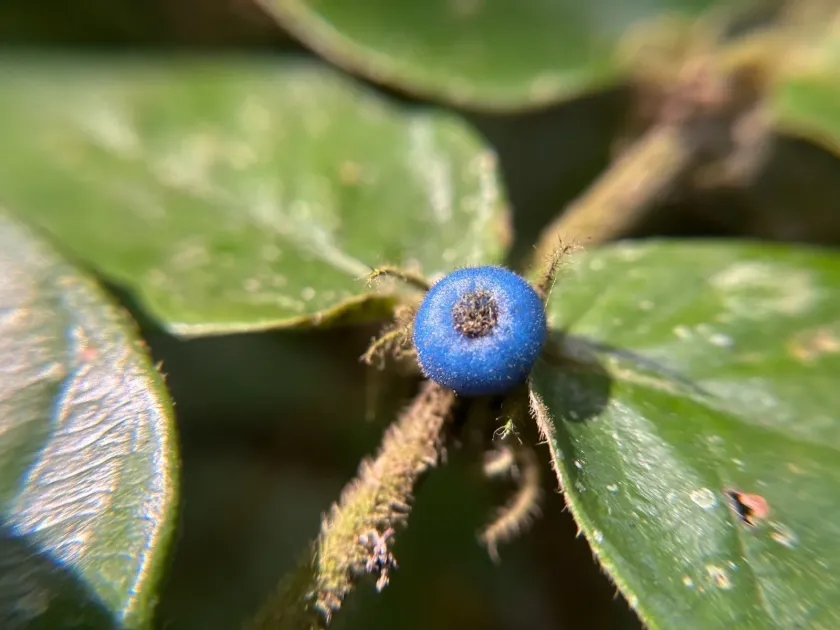
Botanically, the plant is distinguished by its elongated, tapering leaves and small, often clustered flowers. The fruit consists of small drupes that attract forest fauna, contributing to the seed dispersal mechanism of the species.
Main diseases and pests
Fungal diseases, particularly root rots caused by overwatering, represent the primary threat to the health of Lasianthus attenuatus. Ensuring proper drainage and avoiding water stagnation is critical for plant survival.
Pests such as spider mites and scale insects often target the plant when the ambient humidity is insufficient. Maintaining a consistent moist microclimate acts as a natural deterrent against these common pests.
Weed control is essential during the early stages of growth as the plant is not a strong competitor for resources. Manual weeding is recommended to avoid disturbing the shallow and fragile root system of the shrub.
Excessive fertilizer application can result in salt accumulation in the soil, which is harmful to this sensitive forest species. Slow-release organic nutrients are preferred to prevent chemical stress.
Monitoring the foliage for signs of chlorosis or spot diseases is recommended as part of the standard cultivation protocol. Prompt removal of infected parts can prevent the spread of localized infections within the crop.