
Lasianthus cyanocarpus
Lasianthus cyanocarpus
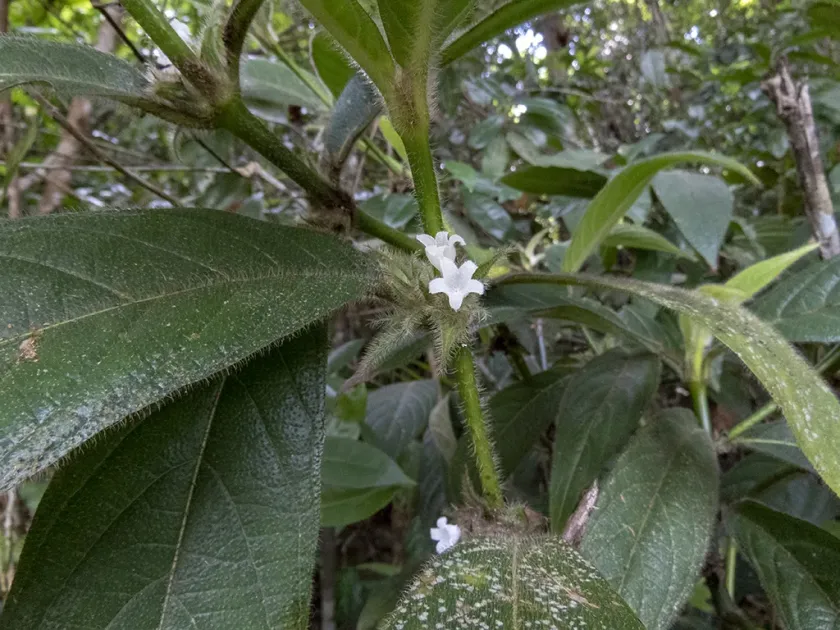
Description
Growing requirements
Lasianthus cyanocarpus belongs to the Rubiaceae family. This evergreen shrub is native to the tropical rainforests of Southeast Asia, where it typically grows in the shaded understory.
The plant thrives in high-humidity environments and requires stable tropical temperatures to maintain healthy growth rates throughout the year without significant dormancy periods.
Cultivation requires fertile, well-draining soil that is rich in organic matter. A slightly acidic pH level is optimal for nutrient uptake in this specific tropical species.
Exposure to direct sunlight should be avoided to prevent foliar damage. The species is highly adapted to low-light conditions, making it an ideal choice for shaded indoor or greenhouse environments.
Proper irrigation management is vital for this culture; the substrate must remain consistently moist, but waterlogging must be strictly avoided to prevent root system suffocation.
Main diseases and pests
Root and stem rot caused by various fungal pathogens present a significant threat, especially in environments with poor air circulation or excessive moisture levels.
Pests such as spider mites and mealybugs can infest the plants, particularly in indoor settings, necessitating regular inspections and prophylactic treatments with horticultural oils.
Leaf spotting diseases may occur if plants are kept in stagnant air, emphasizing the importance of ventilation and proper spacing between individual shrubs.
Rapid fluctuations in temperature and humidity can cause leaf drop and severe stress to the plant, making environmental control systems necessary for successful cultivation.
In cases of severe infestation or infection, prompt removal of affected plant parts is recommended to prevent further spread within the cultivated population.