
Lasianthus stipularis
Lasianthus stipularis
Description
Growing requirements
Lasianthus stipularis is an evergreen shrub belonging to the Rubiaceae family. Native to the humid tropical forests of Southeast Asia, it is known for its role as a key botanical component in the understory of dense rainforest ecosystems.
Cultivation of this plant requires a precise microclimate. It thrives in high-humidity environments, ideally between 70% and 90%, and requires shaded conditions to prevent leaf scorching from intense sunlight.
Regarding soil requirements, Lasianthus stipularis prefers well-draining, nutrient-rich substrates with a slightly acidic profile. The root system is delicate, making proper aeration and the avoidance of waterlogging critical for plant health.
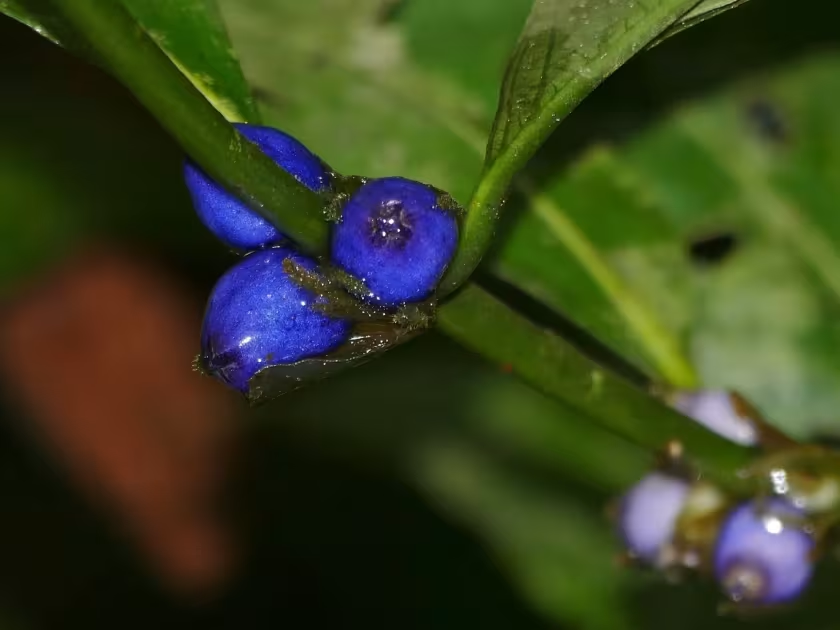
Botanically, the species is identified by its distinctive stipules, which protect the developing leaves. The plant produces drupe-like fruits that mature into a deep blue or black color, which are essential for its natural propagation cycle.
Economically, the plant is subject to research for its potential use in ethnomedicine and pharmacology. Scientists are exploring the secondary metabolites extracted from its leaves and stems for their potential antioxidant and therapeutic applications.
Main diseases and pests
Root rot caused by stagnant water is the primary threat to the stability of Lasianthus stipularis populations. Fungal pathogens thrive in poorly ventilated environments, often leading to rapid decline of the root system.
Pests such as mealybugs and spider mites are frequent invaders, especially when the plant is grown in controlled conservatory settings. These insects weaken the plant by feeding on the sap, leading to stunted growth.
Leaf spot diseases, often triggered by prolonged foliage dampness, can severely damage the photosynthetic capacity of the plant. Regular monitoring for irregular spots on the leaves is necessary for early intervention.
Integrated Pest Management (IPM) strategies are highly recommended to control populations of insects without causing chemical stress to the sensitive tropical shrub. Using beneficial predatory insects can significantly reduce the need for harsh pesticides.
Proper spacing between plants is essential to ensure adequate airflow, which acts as a natural deterrent for many common fungal and bacterial infections that plague tropical understory species.