
Lasianthus japonicus
Lasianthus japonicus
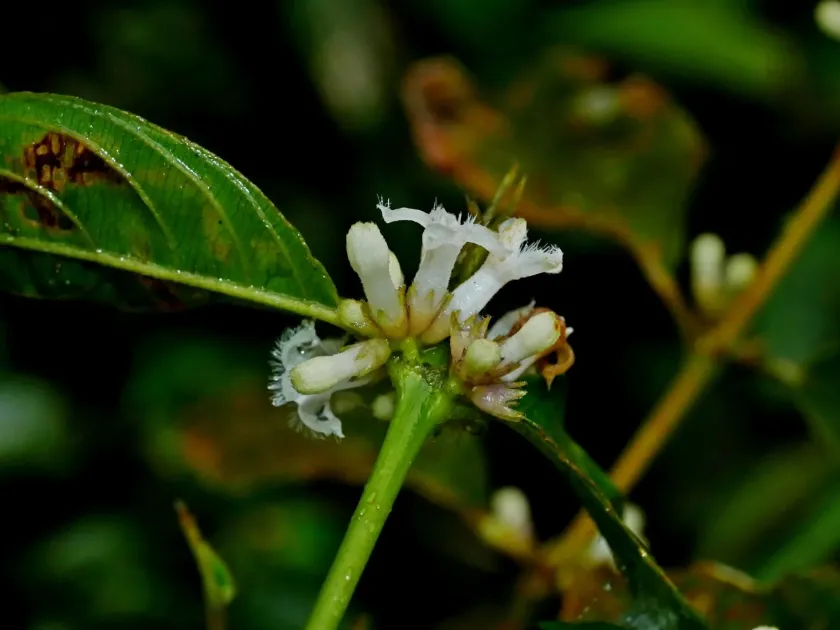
Description
Growing requirements
Lasianthus japonicus is an evergreen shrub belonging to the Rubiaceae family. This species is native to East Asia, thriving in the understory of broad-leaved forests, which dictates its preference for specific environmental conditions.
In terms of light, the plant requires partial shade or dappled sunlight. Intense, direct exposure to the sun typically leads to leaf scorching and physiological stress, making forest-like filtered light the most suitable environment for this culture.
The soil should be fertile, well-draining, and slightly acidic. Good aeration is crucial, as the root system of Lasianthus species is highly susceptible to hypoxia if the soil becomes compacted or waterlogged for extended periods.
Climate requirements include high atmospheric humidity and moderate temperatures. It is sensitive to extreme frost and strong, desiccating winds, which can significantly damage the foliage and impede the plant's overall growth and vitality.
Agricultural management involves regular watering with soft water and balanced fertilization. During the growing season, a high-quality liquid fertilizer should be applied cautiously to prevent salt buildup in the substrate, which the roots may not tolerate well.
Main diseases and pests
Common pests include spider mites and scale insects, which often thrive in indoor or protected environments where air circulation may be limited. Monitoring the underside of the leaves is essential for early detection.
Root rot, primarily caused by improper watering and lack of soil drainage, remains the most significant threat to plant longevity. Providing adequate drainage layers and avoiding excess irrigation are the best preventative measures against these pathogens.