
Lasianthus jackianus
Lasianthus jackianus
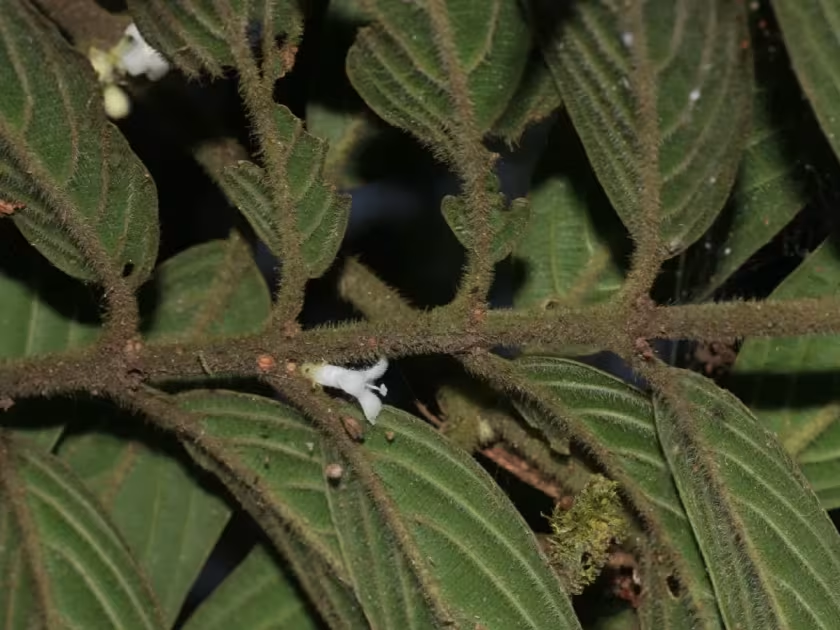
Description
Growing requirements
Lasianthus jackianus is a perennial evergreen shrub belonging to the Rubiaceae family. This species is native to tropical rainforest understories, which defines its specific ecological requirements and biological habits within the agricultural and botanical context.
The cultivation of this species demands stable, warm temperatures and consistently high humidity. It is an extremely shade-tolerant plant, reflecting its adaptation to low-light conditions found under the forest canopy in its natural distribution area.
Ideal soil for Lasianthus jackianus consists of well-drained, nutrient-rich substrates with a slightly acidic profile. Proper irrigation management is critical, as the roots require constant moisture without becoming waterlogged, which is a common failure point in cultivation.
Botanically, the plant exhibits simple, opposite leaves with prominent stipules and small, tubular flowers, typical for the Lasianthus genus. The fruit is a small, succulent drupe, which serves as a biological indicator of the plant's health and reproductive success.
The economic use of Lasianthus jackianus is primarily focused on scientific study and botanical garden displays. While it is not a large-scale agricultural commodity, its relationship to other Rubiaceae makes it a subject of interest for phytochemical research and conservation efforts.
Main diseases and pests
The primary threats to Lasianthus jackianus include various fungal infections, particularly leaf spot diseases caused by high humidity and poor air circulation. These pathogens can rapidly defoliate the plant if not addressed through early intervention.
Pests such as spider mites and scale insects are the most common adversaries in greenhouse environments. These pests thrive in indoor conditions, necessitating consistent monitoring and integrated pest management strategies to protect the foliage.
Root rot is the most devastating physiological and pathological threat to this species. It is usually triggered by inadequate substrate drainage or over-watering, which leads to the collapse of the vascular system and rapid plant death.
Nutrient deficiencies often manifest as chlorosis or stunted growth, necessitating precise fertilization schedules. Providing a balanced ratio of nitrogen, phosphorus, and potassium, along with necessary trace elements, is essential for long-term survival.
Effective management strategies require maintaining a balance between moisture and drainage. Chemical control should be treated as a secondary measure, with sanitation and the removal of infected parts serving as the primary lines of defense against spread.