
Lagenandra thwaitesii
Lagenandra thwaitesii
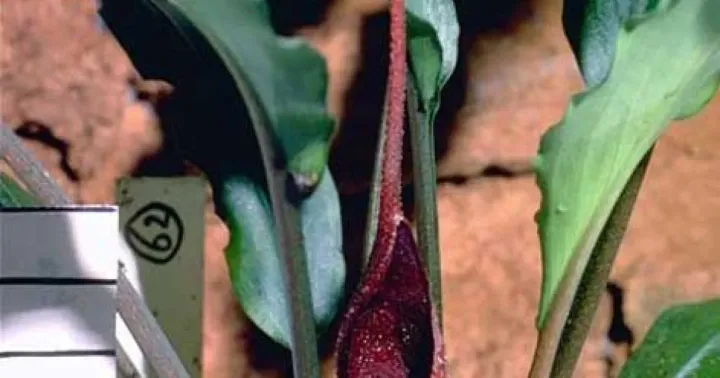
Description
Growing requirements
Lagenandra thwaitesii is a distinct member of the Araceae family, native to the tropical landscapes of Sri Lanka. This species is typically found in shaded forest areas along stream banks, thriving in environments where the substrate remains consistently moist or partially submerged throughout the year.
Botanically, it is recognized by its creeping rhizome structure and elegant, elliptical foliage. The leaf texture is often rugose, showcasing a deep green to reddish-brown coloration that changes intensity based on light exposure. It is a slow-growing plant that prioritizes the development of its root system over rapid vegetative expansion.
Successful cultivation requires a nutrient-rich, acidic to neutral soil medium with high organic matter content. The plant demands a stable tropical temperature regime, ideally between 22°C and 28°C. Rapid fluctuations in water chemistry or air temperature can lead to significant leaf shedding and plant stress.
In terms of agricultural management, light intensity must be carefully controlled. Bright, indirect light is preferred, as intense direct sun or overly powerful artificial lighting can damage the delicate leaves. Regular, balanced fertilization focusing on root uptake is essential to maintain the vibrant color and health of the specimen.
Propagation is most effectively achieved through careful division of the rhizome during the dormant or stable growth phase. It is crucial to handle the root system with extreme care, as Lagenandra thwaitesii is known for its sensitivity to transplanting and may take several weeks to re-establish in new conditions.