
Lagenandra keralensis
Lagenandra keralensis
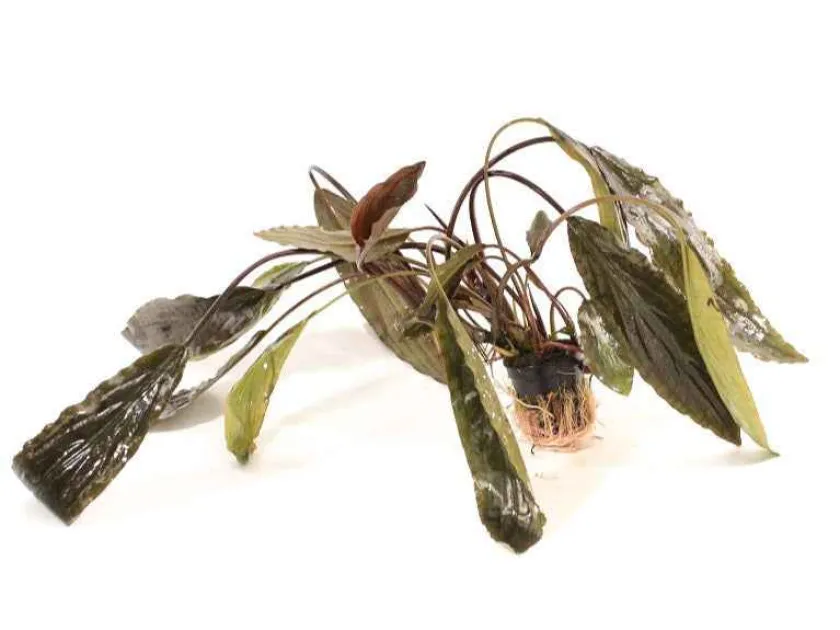
Description
Growing requirements
Lagenandra keralensis is a distinguished member of the Araceae family, natively located in the Kerala region of India. This species typically thrives in humid, boggy environments near tropical water bodies, making it a specialized plant for enthusiasts of rare flora.
Botanically, it is characterized by a rhizomatous growth habit, with thick, elongated leaves that display a leathery texture. The foliage color often transitions through deep olive to mahogany shades, depending on the environmental conditions and the intensity of available light during the growing phase.
Cultivating this plant requires strict adherence to temperature and humidity standards. An ideal environment maintains temperatures between 22 and 28 degrees Celsius with high relative humidity levels, reflecting its natural habitat in the dense forest understory or marshlands.
The choice of substrate is critical; it must be well-draining yet moisture-retentive, typically composed of a mix of organic peat and nutrient-rich soil. Avoiding soil compaction is essential to ensure that the rhizome receives adequate oxygen, preventing the onset of anaerobic conditions.
Horticulturally, Lagenandra keralensis is highly prized in the aquarium and terrarium industry. Due to its limited natural distribution and sensitive nature, it is primarily cultivated by specialized nurseries and botanical collectors interested in rare tropical Araceae.
Main diseases and pests
Fungal pathogens represent the most significant threat to the health of the rhizome, especially when humidity levels are excessively high without adequate air movement. These infections can quickly destroy the plant's structural integrity if not detected early.
Pests such as spider mites and mealybugs are common problems in greenhouse environments. These insects target the leaf tissue, causing stunted growth and chlorosis, which can weaken the plant and reduce its aesthetic value over time.
Bacterial soft rot remains a major concern, particularly if the substrate is too wet or lacks sufficient sterilization prior to planting. Once established, bacterial infections are difficult to eradicate, often necessitating the disposal of the affected specimen to prevent spread.
Preventative care is essential for maintaining a healthy collection of this species. Regular monitoring, proper sterilization of tools, and ensuring good air circulation around the plants are standard practices that mitigate the risk of disease outbreak.
The use of balanced, slow-release fertilizers is recommended to support robust growth, but over-fertilization should be strictly avoided as it can cause salt buildup in the substrate, which the root system of Lagenandra keralensis is particularly sensitive to.