

Grinfort PM 500
China National Chemical Construction Ningbo Import & Export Co.
Herbicides
0
0
·
44
No offers
—
Details
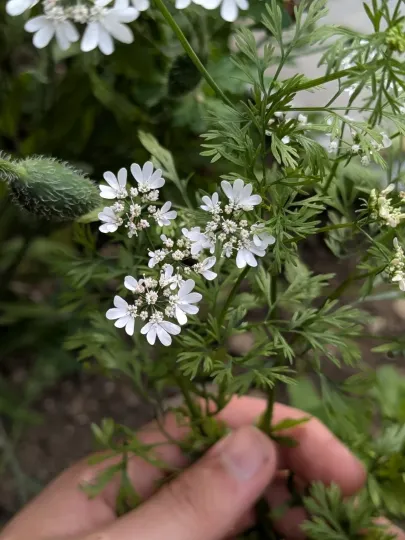
Coriander (Coriandrum sativum L.) is an annual herbaceous plant belonging to the Apiaceae family. It is widely cultivated globally for both its fresh leaves and its aromatic seeds.
The optimal sowing time is early spring when the soil temperature consistently reaches 5-7°C. The crop is frost-tolerant, allowing for early planting to make use of winter moisture.
Seeds should be sown at a depth of 2–3 cm. Proper row spacing, usually between 15 and 30 cm, is essential for air circulation and effective weed control during the early growth stages.
The seeding rate varies depending on the specific agricultural goal: leafy production requires higher density, while seed production allows for more space between plants.
The plant has a relatively short vegetative period, which makes it an excellent choice for rotation schemes or as a catch crop in intensive farming systems.
Coriander thrives in well-drained, fertile, loamy soils. It is sensitive to soil compaction and waterlogging, which can cause root decay and plant stunting.
Sunlight is critical for the development of essential oils. A full-sun location is preferred to ensure high-quality produce and robust plant growth.
Adequate moisture is necessary during the initial stages of germination and foliage growth. However, drought conditions during flowering can negatively impact seed yield.
Balanced fertilization with phosphorus and potassium is recommended to strengthen stems and enhance the yield of essential oils in the seeds.
Soil pH should ideally be neutral to slightly alkaline. Avoiding fields with high weed pressure is crucial, as coriander is sensitive to competition during its initial growth.
Typical seed yields range from 1,000 to 1,500 kg per hectare under optimal environmental conditions and sound management practices.
The economic value of the crop is highly dependent on the essential oil content. Varieties bred for high oil production are preferred for commercial seed harvesting.
Regular crop monitoring and timely fertilization can lead to yield increases of up to 20%. Stress management, particularly regarding water availability, is the key to consistency.
Post-harvest cleaning and storage conditions play a vital role in determining the marketability and quality of the final seed yield.
Intensive crop management, including precise weed control, significantly contributes to reaching the potential yield of modern high-performance varieties.
Fungal diseases like Ramularia blight and powdery mildew are the most common threats to coriander, often exacerbated by high humidity and poor ventilation.
Key pests include the coriander seed wasp and aphids. These pests can significantly reduce the marketable yield by damaging the seeds or extracting plant sap.
Integrated Pest Management (IPM) strategies, including crop rotation and the use of resistant varieties, are essential for maintaining a healthy and profitable crop.
Chemical control measures should be applied according to economic thresholds to prevent excessive usage and preserve beneficial insect populations.
Harvesting for seeds should commence when 60-70% of the seeds have turned brownish, indicating physiological maturity and peak oil concentration.
A two-stage harvesting process is the standard: windrowing followed by mechanical threshing. This allows the crop to dry naturally while avoiding seed shattering.
Machine settings for harvesting must be calibrated to ensure a gentle threshing action, reducing the rate of broken seeds and loss of volatile compounds.
For fresh coriander leaves, harvesting is done manually or mechanically when the plant has developed a full rosette of leaves but before bolting occurs.
Post-harvest handling involves thorough drying to a moisture content of 12% or less to ensure long-term stability and to prevent the degradation of essential oils.


