
Kallstroemia tucumanensis
Kallstroemia tucumanensis
Description
Growing requirements
Kallstroemia tucumanensis is a herbaceous plant belonging to the Zygophyllaceae family. It is a specialized species adapted to the arid and semi-arid conditions found in parts of South America, specifically within Argentina.
The geographic distribution of this species is primarily focused in the Tucuman region. It thrives in well-drained soils, often characterized by a sandy texture, which allows for minimal water retention and prevents the saturation that this species typically avoids.
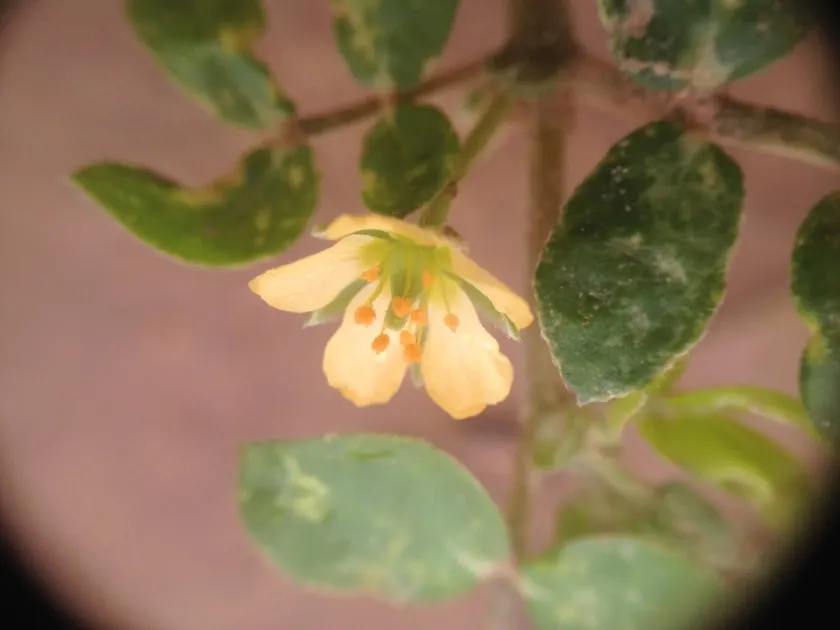
From a botanical standpoint, Kallstroemia tucumanensis exhibits a prostrate growth habit with opposite leaves and vibrant yellow-to-orange flowers. Its morphology is designed to minimize evapotranspiration, allowing the plant to persist in harsh, sun-drenched environments.
The climatic requirements for this plant are centered on high light exposure and temperature tolerance. It is essentially a xerophytic organism, meaning it has evolved structural adaptations to survive periods of prolonged drought without compromising its life cycle.
While not commonly grown as a commercial agricultural crop, Kallstroemia tucumanensis holds significance in ecological research and local botanical studies. Its potential for secondary metabolite production remains a subject of investigation for pharmacological applications.