
Kallstroemia caribaea
Kallstroemia caribaea
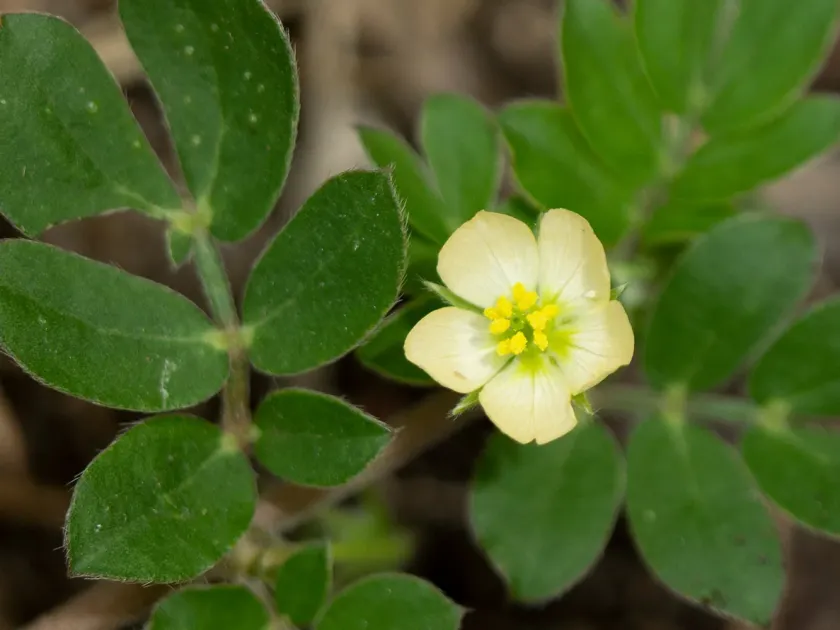
Description
Growing requirements
Kallstroemia caribaea is an annual herbaceous plant belonging to the Zygophyllaceae family. It is recognized for its spreading growth habit and significant ecological role in its native habitats across the Caribbean and Americas.
The plant is highly adapted to tropical environments and thrives in sandy, gravelly, or nutrient-poor soils. It is particularly valued for its exceptional drought tolerance, allowing it to survive under extreme moisture deficits.
Optimal development occurs in full sun exposure. The plant requires warm temperatures, ideally between 25°C and 35°C, and is strictly intolerant of frost conditions, which makes it unsuitable for temperate climates.
Soil management for this crop focuses on maintaining excellent drainage. The species is capable of colonizing disturbed areas, effectively serving as a ground cover that prevents soil erosion.
Agricultural interest in the plant stems from its ability to maintain vegetative cover in hot, arid conditions where most other crops fail to establish successfully.
Main diseases and pests
Common threats to Kallstroemia species include fungal pathogens that manifest as leaf spots or stem rots, especially during periods of uncharacteristic humidity or excessive irrigation.
Insect pests, primarily spider mites and certain defoliating larvae, can become problematic during the peak growing season, potentially reducing the photosynthetic capacity of the plants.
Root-knot nematodes can pose a risk in areas with long-term monocropping practices, stressing the root system and decreasing overall plant vigor.
To mitigate these risks, integrated pest management focuses on balanced planting densities and careful water management to prevent stagnant conditions.
Regular field scouting is recommended to monitor for early signs of infestation, ensuring that any necessary control measures do not disrupt local beneficial insect populations.