
Kallstroemia pubescens
Kallstroemia pubescens
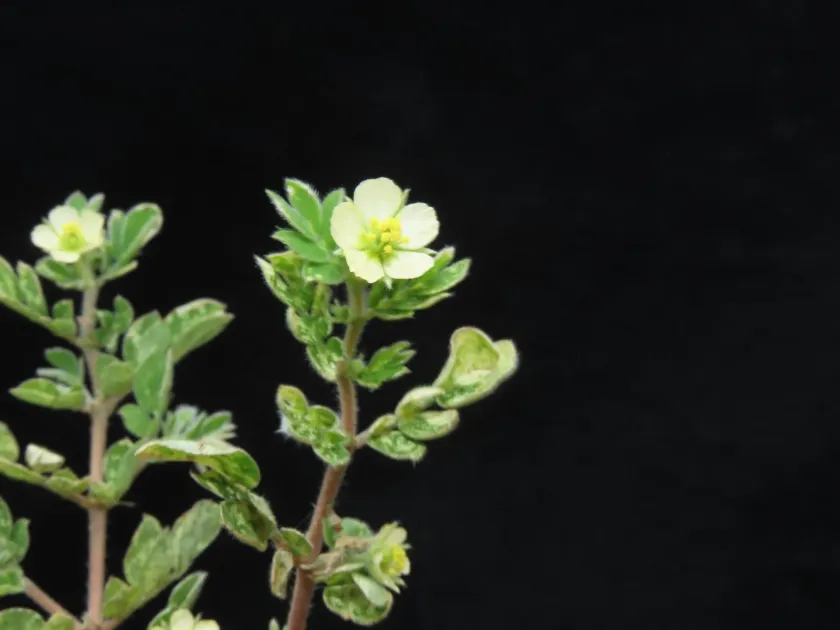
Description
Sowing dates
Kallstroemia pubescens is a thermophilic plant that requires warm soil conditions to initiate seed germination successfully in the field.
Sowing should be timed for late spring, ensuring that the soil temperature has consistently stayed above 18 degrees Celsius for several consecutive days.
Seeds demonstrate strong viability and should be planted at a shallow depth, covered with a thin layer of soil to maintain required moisture levels.
For commercial cultivation, row spacing should be maintained between 25 and 35 centimeters to allow for optimal access to light and nutrients.
The plant exhibits rapid early development if soil moisture is sufficient, quickly establishing its taproot system in its natural habitat.
Growing requirements
Belonging to the Zygophyllaceae family, this species thrives in environments with high solar radiation and extended daylight hours.
It displays remarkable drought tolerance, making it an excellent candidate for agricultural trials in arid or semi-arid regions with limited water.
The ideal soil profile consists of well-drained sandy or loamy textures that prevent water stagnation, which is critical for root health.
Soil pH levels ranging from neutral to slightly alkaline are preferred, aligning with the plant's natural adaptation to mineral-rich soils.
The plant requires minimal interference in terms of fertilization, as it is efficient at extracting nutrients from relatively lean soil environments.
Yield
While often viewed as an opportunistic weed in some cropping systems, Kallstroemia pubescens offers potential as a biomass source in specific climates.
The total yield of vegetative matter is heavily contingent on the plant's ability to maximize photosynthetic output during the peak of the growing season.
Strategic management of plant density can significantly improve the total dry weight yield when cultivated in controlled agricultural plots.
Its role as a forage component is sometimes debated, but it contributes to the overall organic matter recycling in natural pasture ecosystems.
Success in harvesting requires an understanding of the plant's growth cycle to ensure that the biomass is collected at peak nutrient accumulation.
Main diseases and pests
Fungal root diseases represent the most significant threat to plant health, particularly in scenarios involving excessive irrigation or heavy soils.
Aphid infestations can occur during periods of high heat, causing damage to tender shoots and potentially transmitting plant viruses.
Defoliating insects can significantly reduce the photosynthetic surface area if left unchecked, thereby stunting the growth and reducing final yields.
Powdery mildew may develop in dense plantings with poor air circulation, necessitating the use of preventive fungicides or wider planting patterns.
Weed competition during the seedling stage is critical, and maintaining a clean field during the first four weeks is essential for crop success.
Harvesting
Harvesting for biomass should be timed just after the peak flowering period to ensure maximum nutrient content within the plant tissue.
Mechanical harvesting equipment should be calibrated to prevent unnecessary damage to the root zone if the intention is to allow for regrowth.
Seed collection requires precise timing; the pods must be harvested when they turn dark but before they dry out completely and disperse seeds.
Once harvested, the plant material must be air-dried in a well-ventilated space to inhibit microbial growth and maintain material integrity.
Storage of the processed plant material must occur in low-humidity environments to prevent moisture-related degradation of the product quality.