
Snowy mespilus
Amelanchier lamarckii F. G. Schroed.
Description
Growing requirements
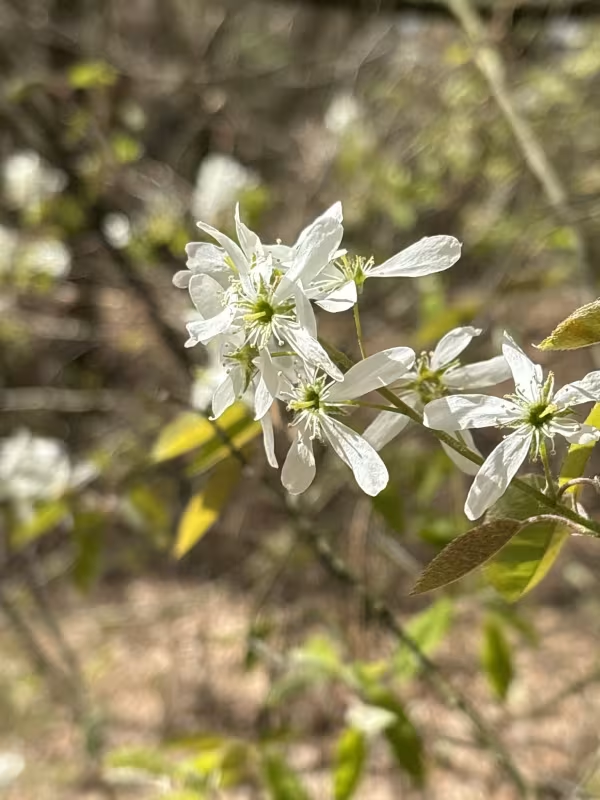
Snowy mespilus (Amelanchier lamarckii) is a deciduous shrub or small tree belonging to the Rosaceae family. It is highly valued in horticulture for its spectacular white spring blossoms and vibrant autumn foliage colors.
Native to North America, it has been widely naturalized in Europe. It is an extremely versatile and hardy plant, capable of thriving in a wide range of soil types, from acidic to slightly alkaline, provided there is adequate drainage.
The ideal planting site for Amelanchier lamarckii is in full sun to partial shade. The shrub is exceptionally frost-hardy and generally drought-tolerant once established, making it a low-maintenance addition to any garden or commercial orchard.
Agricultural practices are straightforward: regular pruning is encouraged to maintain a healthy structure and increase light penetration into the canopy. The plant rarely requires heavy fertilization, though applying organic mulch around the base helps retain moisture.
Beyond its culinary value, it serves as a beautiful ornamental specimen. It is frequently used in landscape design for hedgerows, screening, or as a focal point, owing to its manageable size and year-round aesthetic appeal.
Yield
Snowy mespilus begins to bear fruit typically between 3 and 4 years after planting, with mature bushes reaching full production capacity within a decade. The fruits are dark purple to black berries with a dusty bloom, growing in drooping clusters.
The berries are sweet, juicy, and highly palatable, often compared to blueberries or sweet cherries in terms of flavor profile. An established, healthy bush can yield significant amounts of fruit, depending on local climate conditions.
The harvesting window occurs during mid-summer. Since berries within a single cluster ripen over time, selective picking is recommended to ensure that every berry is fully mature and sweet before harvest.
Culinary uses for these berries are diverse, ranging from jams and jellies to baking, winemaking, and drying. Their nutritional density, being rich in antioxidants and vitamins, makes them an excellent candidate for functional or healthy food products.
As the shelf life of fresh berries is quite short, prompt processing or freezing is necessary to preserve the quality and flavor for long-term use after the harvest season concludes.
Main diseases and pests
While Amelanchier lamarckii is generally robust, it may occasionally suffer from powdery mildew or leaf rust if air circulation is poor. Proper spacing and thinning out branches are essential preventative measures against these issues.
Pests such as aphids and leaf rollers may occasionally feed on young foliage. In most cases, these are manageable through natural predators or targeted organic treatments if the infestation levels exceed acceptable thresholds.
Bird predation is the most significant challenge for berry growers, as birds often strip the bush before the owner can harvest. Protecting the crop with fine-mesh netting is the most effective way to secure a harvest in bird-prone areas.
Root rot caused by waterlogged soil is a common threat, particularly in poorly drained clay soils. Ensuring a well-drained planting site and avoiding excessive irrigation during dormant periods are critical for long-term health.
Maintaining a clean garden environment by removing leaf debris in late autumn helps reduce the risk of overwintering pathogens, promoting vigorous and healthy growth for the upcoming spring season.