
Amelanchier canadensis
Amelanchier canadensis (L.) Medik.
Description
Sowing dates
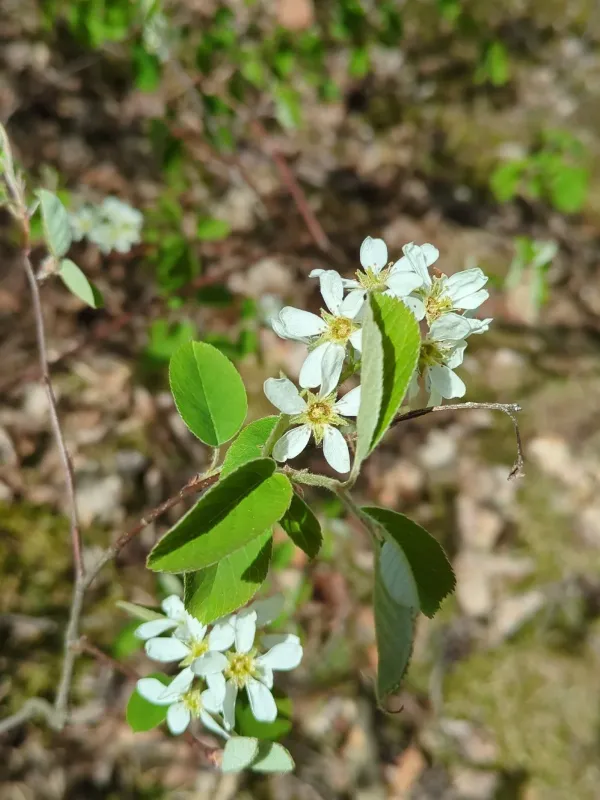
Amelanchier canadensis, known as the Canadian serviceberry or shadbush, is a multi-stemmed deciduous shrub or small tree belonging to the Rosaceae family. It is widely valued for its ornamental beauty and delicious, nutrient-dense berries.
Propagation is typically achieved through vegetative methods such as root cuttings or division, ensuring the resulting plants remain true to their parent characteristics. Seeds can also be used but require stratification to overcome dormancy.
The optimal planting time is early spring or late autumn when the plant is dormant. Selecting a site with full to partial sun exposure will ensure vigorous growth and maximize the annual yield of the berries.
Space the plants approximately 1.5 to 2.5 meters apart to allow for proper air circulation and expansion. Providing enough room prevents the canopy from becoming too dense, which is essential for disease prevention.
Native to North America, this species is highly adaptable to various environments. It thrives in temperate climates and has become a staple in many orchards and gardens due to its low-maintenance nature.
Growing requirements
Canadian serviceberry performs best in moist, well-drained, slightly acidic to neutral soils. It is quite versatile and can tolerate various soil textures, including loamy or sandy substrates, provided they are not overly compacted.
The plant is known for its moderate drought tolerance once established, but supplemental watering during the fruit-ripening phase significantly improves berry size and overall yield quality.
Soil fertility can be maintained by applying balanced organic matter or compost once a year in early spring. Avoid excessive nitrogen applications, as this can encourage foliage growth at the expense of flower and fruit production.
Mulching the base of the plant helps retain soil moisture and suppresses competing weeds. Organic mulches, such as wood chips or leaf mold, are preferred as they gradually improve soil structure over time.
While tolerant of various soil conditions, it is sensitive to waterlogged sites. Ensuring the planting area has good drainage will protect the root system from decay and support healthy long-term growth.
Yield
Plants generally begin to produce fruit within 3 to 4 years of planting. The berries are small, dark purple or black, and have a sweet, almond-like flavor that is highly sought after by home gardeners and commercial growers.
A mature, well-tended shrub can produce substantial harvests annually. Yield levels are contingent upon environmental factors during the flowering period, though the plant is generally reliable even in cool springs.
Harvesting usually occurs in mid-to-late summer. Because berries ripen gradually, multiple pickings over several weeks are often necessary to collect the fruit at its peak sweetness and flavor profile.
The berries are rich in vitamins, fiber, and anthocyanins. They are excellent for fresh consumption, baking, preserves, and drying, offering a versatile range of culinary applications in the health food market.
In addition to the fruit, the plant's aesthetic value, featuring white spring flowers and vibrant autumnal foliage, contributes to its overall economic importance in both horticulture and landscaping industries.
Main diseases and pests
The primary pests affecting Amelanchier canadensis include aphids, spider mites, and leaf-mining insects. Monitoring the canopy during the growing season allows for early intervention before infestations become severe.
Fungal diseases like rust, powdery mildew, and leaf spot can occur, particularly in humid or overcrowded conditions. Proper pruning to increase airflow is a critical preventative measure for maintaining tree health.
Birds are the most significant challenge regarding harvest. Because the berries are a favorite food source for many bird species, using protective netting is often required to secure a substantial yield for human consumption.
Fire blight is another potential risk, affecting the stems and blossoms. Removing and destroying infected branches immediately upon detection is the recommended management strategy to prevent the spread to the rest of the plant.
Maintaining strong plant vigor through proper nutrition and hydration naturally increases the shrub's resilience against many common agricultural pests and minor diseases.
Harvesting
Harvesting should take place when the fruit is fully colored and slightly soft to the touch. It is best to harvest in the morning hours to avoid the intense heat of the day, which helps in preserving post-harvest quality.
Hand-picking is the standard method for collecting berries. Because the fruit skin is delicate, care must be taken during collection to avoid bruising, which reduces shelf life and marketability.
After harvest, the berries should be cooled immediately to extend their storage life. Refrigerated storage at low temperatures allows the fruit to remain fresh for a few days, suitable for local distribution.
If not intended for immediate use, the berries can be frozen in a single layer before storage, which prevents them from clumping together and keeps them in excellent condition for future use in smoothies or baking.
Efficient management of the harvest process ensures that the maximum amount of high-quality fruit reaches the consumer, emphasizing the value of timely collection and careful handling techniques.