
Natsudaidai
Citrus natsudaidai Hayata
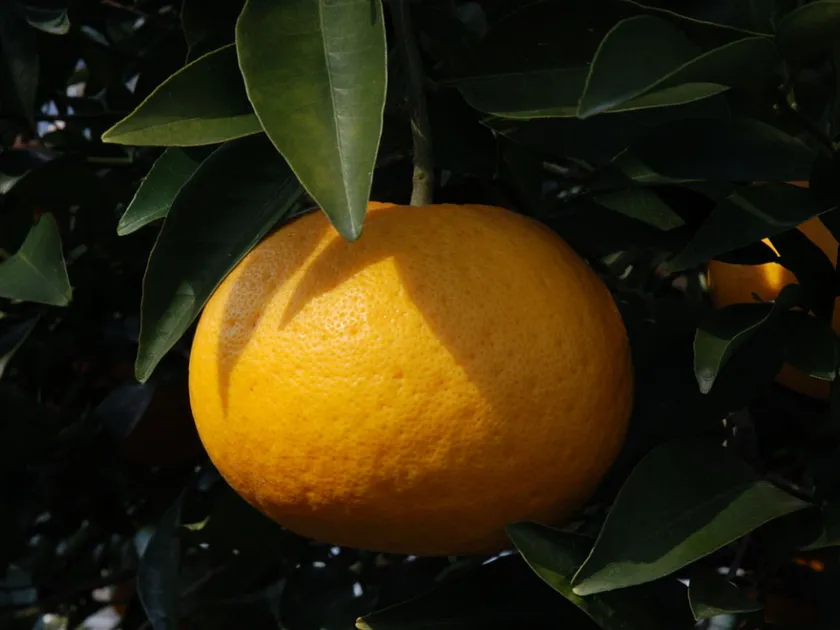
Description
Growing requirements
Natsudaidai (Citrus natsudaidai Hayata) is a evergreen tree belonging to the Rutaceae family. It is considered a natural hybrid, likely originating from a cross between a pomelo and a bitter orange, featuring thick, waxy leaves and a dense, sturdy structure.
This crop thrives best in subtropical climates. It requires warm temperatures and protection from harsh frost, as temperatures dropping significantly below freezing can cause severe dieback of the branches and canopy.
For optimal growth, Natsudaidai needs deep, well-draining soil with a slightly acidic to neutral pH. Sandy loam soils that allow for good aeration are ideal, preventing the water stagnation that can lead to root rot.
Sunlight exposure is essential for high-quality fruit production. The tree should be situated in a location that receives full sun for the majority of the day to ensure proper metabolic activity and fruit development.
Agrotechnical care involves balanced NPK fertilization during the growth phases. Irrigation must be consistent but not excessive, as the root system is sensitive to waterlogged environments, requiring a careful balance of soil moisture.
Yield
The fruit of the Natsudaidai is typically round, characterized by a bright yellow, textured peel. The flesh is succulent and known for a balance between sweetness and the bitterness typical of this hybrid, making it distinct from other citrus varieties.
Yield capacity matures over several years, with trees usually beginning to bear fruit in their 4th to 6th year. A mature, well-maintained tree can provide a high quantity of fruit, often harvested throughout the winter months.
Economically, the fruit is widely used for producing jams, marmalades, and juice. The peel is also highly valued for its aromatic essential oils, frequently used in food processing and cosmetic industries.
Harvesting is usually done by hand to avoid bruising the skin. The fruits are known for their ability to remain on the branch for extended periods without degrading, allowing for a flexible harvest window.
Pruning is critical for maintaining tree health and vigor. Removing inward-growing branches and deadwood ensures that light and air reach the inner canopy, which directly improves both fruit quality and yield potential.
Main diseases and pests
Common pests affecting Natsudaidai include the citrus whitefly, scale insects, and spider mites. These pests can severely weaken the tree by sap-sucking, leading to foliage yellowing and decreased plant health.
Fungal diseases like anthracnose and citrus melanose pose significant risks, especially in humid and rainy conditions. These diseases often manifest as spots on leaves and fruit, requiring proactive management.
Root health is paramount; phytophthora and other soil-borne pathogens can devastate the root system if drainage is poor. Ensuring adequate soil aeration and using clean stock is the best defense strategy.
Integrated Pest Management (IPM) is recommended for commercial and home orchards. This approach combines regular monitoring with mechanical and biological control to minimize the need for chemical intervention.
- Regular monitoring of foliage and fruit surfaces.
- Sanitization of pruning shears between trees.
- Maintaining a weed-free zone around the tree trunk.
- Proper canopy management for airflow.