
Jamesbrittenia grandiflora
Jamesbrittenia grandiflora (Galpin) Hilliard
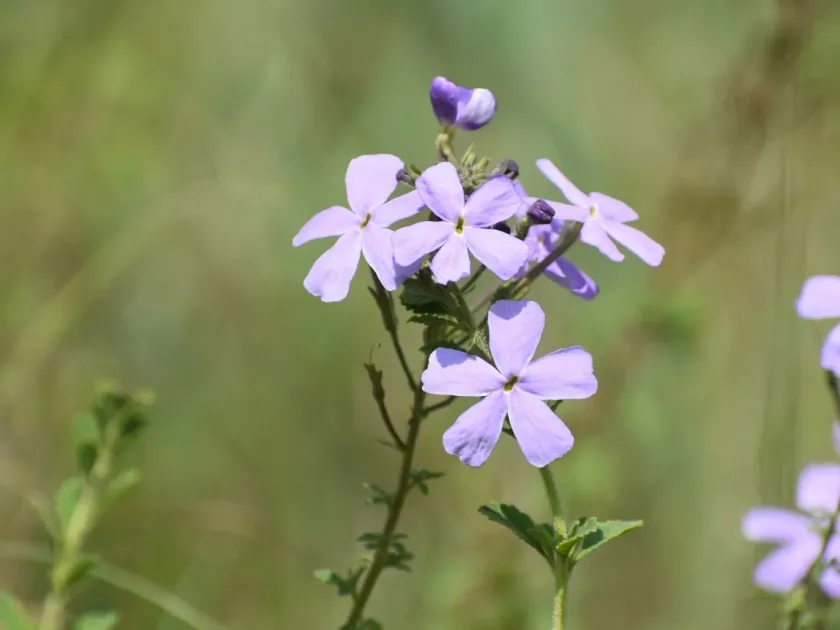
Description
Sowing dates
Seeds should be sown in late winter or early spring to ensure robust plant development before the peak flowering period. Because the seeds are tiny, they should be surface-sown on moist compost without being deeply buried.
A consistent temperature of 20–22 degrees Celsius is necessary for germination. Using a seed tray covered with a humidity dome helps maintain the required moisture levels until the first sprouts emerge from the substrate.
Once the seedlings reach a stage where they develop their first true leaves, they should be carefully pricked out into individual small pots. This stage requires diligent monitoring to prevent drying out or damping off.
Acclimatizing young plants to outdoor conditions is essential before final placement. A gradual exposure to sunlight and breeze over several days helps the plants adapt and prevents transplant shock after moving to permanent pots.
Regular pinching of the terminal buds is highly recommended during the active growth phase. This simple horticultural technique encourages lateral branching, leading to a bushier, more floriferous specimen for the gardener.
Growing requirements
Jamesbrittenia grandiflora is an ornamental herbaceous perennial belonging to the Scrophulariaceae family. Native to the rocky slopes and sunny landscapes of South Africa, it is a species valued for its long-lasting, vibrant tubular flowers.
The plant features distinct pubescent foliage and an elegant growth habit, making it a popular choice for hanging baskets and decorative containers. It is widely grown as an annual in temperate regions due to its frost intolerance.
Sunlight is the most critical factor for successful cultivation. Jamesbrittenia requires full exposure to direct sun; insufficient light leads to leggy, weak stems and significantly reduced flower production throughout the season.
Soil requirements focus on excellent drainage. A high-quality potting mix composed of peat, perlite, and coarse sand ensures that the root system remains aerated and protected from the risks of waterlogging.
Temperature management should be moderate, as the plant thrives in warm conditions but dislikes extreme heatwaves. It must be moved indoors or protected during cold weather, as it cannot survive freezing temperatures outdoors.
Main diseases and pests
Spider mites are the most common pest, particularly in dry and poorly ventilated environments. They feed on plant sap, causing leaves to discolor and dry up, which necessitates the use of miticides for effective management.
Root rot is a major threat linked to improper watering practices. Always allow the top layer of the potting mix to dry out slightly between waterings to ensure that roots can breathe and avoid fungal pathogen proliferation.
Aphids can pose a challenge by infesting tender stems and flower buds. Early detection is crucial, and they can often be controlled by using insecticidal soaps or by introducing biological predators to the garden area.
Powdery mildew may occur when humidity levels are high and airflow is stagnant. Keeping the plant in an open, well-ventilated space is the most effective preventative measure against this common fungal issue.
Maintaining a balanced nutrient regime is vital for plant health. Providing fertilizer high in phosphorus and potassium promotes strong resistance to common diseases while ensuring the plant remains vigorous and aesthetically pleasing.