
Jamesbrittenia
Jamesbrittenia breviflora (Schltr.) Hilliard x J. grandiflora (Galpin) Hilliard
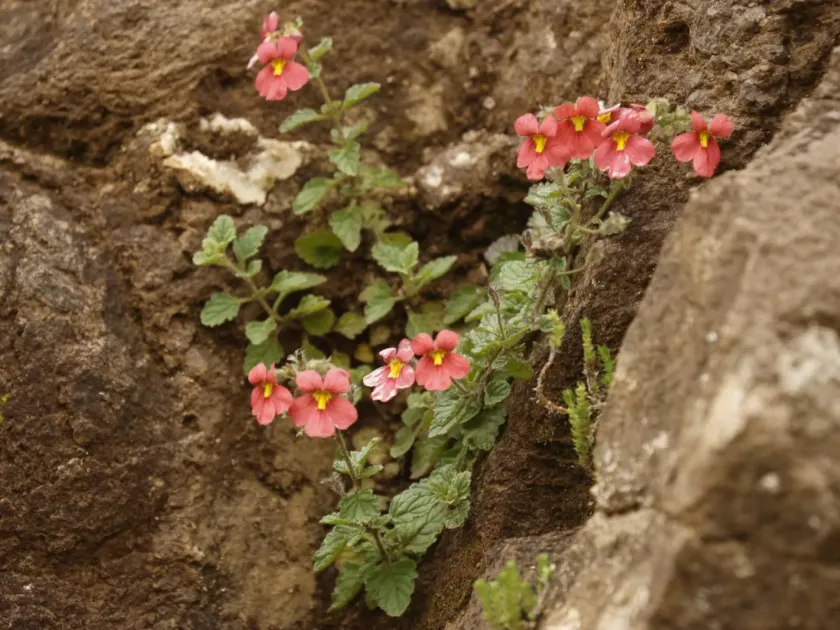
Description
Growing requirements
Jamesbrittenia is a decorative plant belonging to the Scrophulariaceae family, noted for its rich blooming and aesthetic appeal. Originating from Southern Africa, this genus thrives in regions characterized by intense sunlight and well-drained soils, making it an excellent candidate for Mediterranean-style gardens.
The plant requires full sun exposure to maintain its compact growth habit and produce abundant flowers. Shade typically leads to etiolation, where the plant becomes leggy and loses its distinct structural density, which is critical for its ornamental value in landscaping projects.
For optimal development, Jamesbrittenia prefers a light, sandy-loam soil with a slightly acidic to neutral pH level. Proper drainage is essential to prevent waterlogging, which often leads to root rot, the most common physiological disorder associated with this crop in cultivation.
Watering practices should be consistent, allowing the surface layer of the growing medium to dry out before the next irrigation cycle. During the height of the summer season, container-grown plants may require daily watering to maintain soil moisture without inducing root stress.
Its primary use is in ornamental horticulture, particularly as an element in hanging baskets, window boxes, and as a border plant. Its ability to cascade makes it a preferred choice for professional gardeners looking to add height and texture to tiered floral displays.
Main diseases and pests
Fungal pathogens such as powdery mildew and various soil-borne rots are the most frequent threats to the plant's health. Good air circulation and avoiding overhead watering are effective cultural methods to mitigate the risk of these infections.
Pest pressures are generally manageable but may include infestations of aphids or spider mites during periods of high temperature and low humidity. Early detection and the application of targeted horticultural soaps or systemic pesticides are recommended for controlling outbreaks.