
Jamesbrittenia breviflora
Jamesbrittenia breviflora (Schltr.) Hilliard
Description
Growing requirements
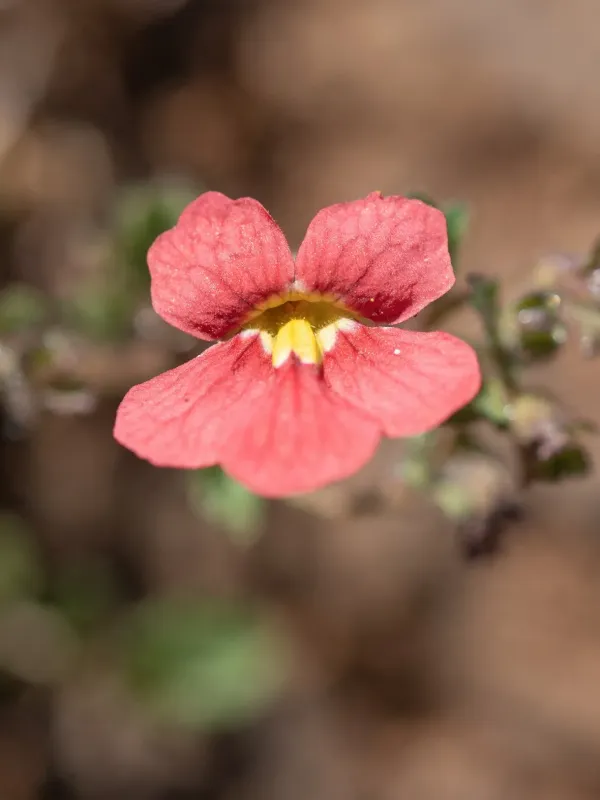
Jamesbrittenia breviflora is a distinct species within the Scrophulariaceae family, known for its elegant growth habit and delicate floral display.
Originating from the arid zones of Southern Africa, this plant has adapted to survive in regions with well-drained, nutrient-poor soils and high solar radiation.
For successful cultivation, the plant requires full sun exposure and a substrate with excellent permeability to prevent waterlogging, which the species is highly sensitive to.
While often treated as an annual in cooler climates, it thrives as a perennial in frost-free regions, contributing to landscape design and container gardening.
Regular maintenance involves controlled irrigation, allowing the soil to dry out between waterings, and a balanced fertilizer application to support continuous bloom production.
Main diseases and pests
The primary threats to Jamesbrittenia breviflora are related to improper cultural practices, particularly overwatering, which leads to root and stem rot infections.
Fungal diseases like powdery mildew may occur in poorly ventilated environments where moisture persists on the foliage for extended periods.
Common insect pests include spider mites and whiteflies, which can quickly colonize the plant if the environment becomes too dry and stagnant.
Effective pest management relies on early detection, maintaining optimal environmental conditions, and applying appropriate systemic pesticides when necessary.
Providing good airflow around the plants and avoiding overhead irrigation can significantly reduce the risk of both fungal outbreaks and pest infestations.