
Jamesbrittenia bergae
Jamesbrittenia bergae Lemmer
Description
Growing requirements
Jamesbrittenia bergae is a distinctive botanical species belonging to the Scrophulariaceae family. Originating from the arid landscapes of Southern Africa, this plant has evolved to thrive in environments characterized by long periods of drought and high solar intensity.
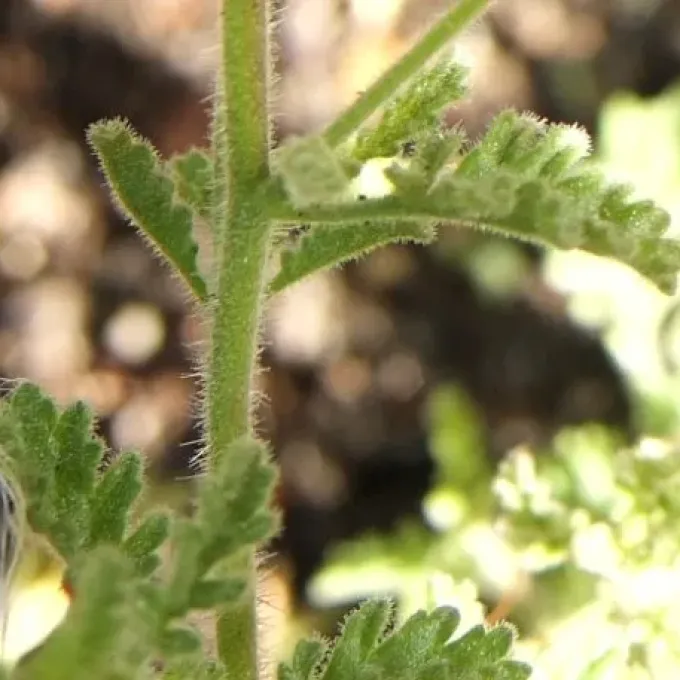
From a botanical standpoint, it is a low-growing subshrub that exhibits specific adaptations such as specialized foliage to minimize transpiration. The flowers typically emerge in clusters, reflecting the complex reproductive biology common to its genus.
Successful cultivation requires soil that mimics its native habitat: highly porous, well-draining, and mineral-rich. It is strictly sensitive to waterlogged conditions, making proper soil aeration and a cautious irrigation schedule the primary management priorities for the grower.
The climate requirements for Jamesbrittenia bergae emphasize the need for maximum sunlight exposure and protection from cold, humid weather. Maintaining an environment free from frost is essential, as the plant does not possess natural mechanisms to withstand sub-zero temperatures.
In terms of agricultural and horticultural utilization, it is recognized as a specialty ornamental plant. Its primary value lies in its high drought resistance, making it an excellent candidate for xeriscaping projects and landscape design in arid and semi-arid geographical regions.