
Ivy-leaved cyclamen
Cyclamen hederifolium Aiton
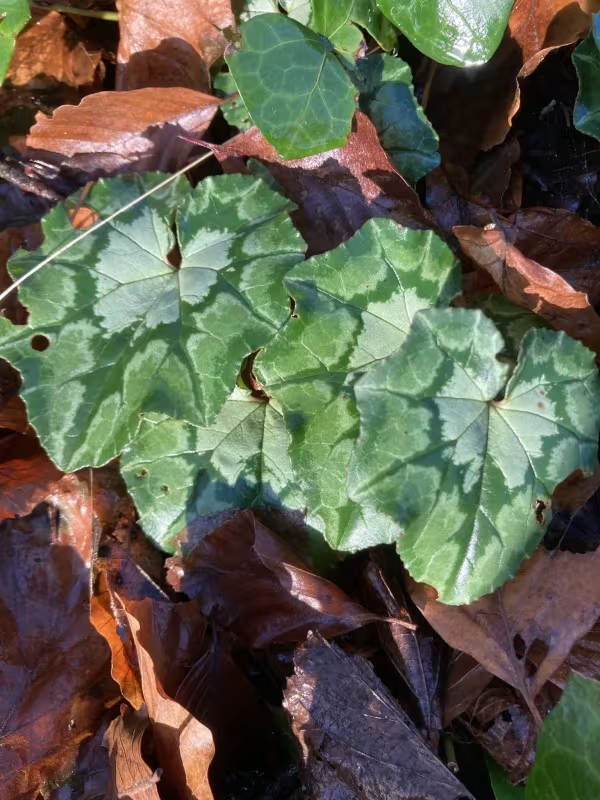
Description
Sowing dates
Sowing seeds of the ivy-leaved cyclamen is most effectively performed in the autumn immediately after harvesting to ensure natural cold stratification.
The planting of dormant tubers should ideally occur in late summer, which allows the root system to establish itself before the onset of the cold winter season.
It is crucial to bury the seeds approximately one centimeter deep, as darkness is a fundamental requirement for the germination of this specific species.
The germination phase is notoriously slow and erratic, requiring a consistent moisture level in the growing medium throughout the entire period.
When propagating by tuber division, ensure the plant is fully dormant and use clean, sterile tools to prevent the introduction of pathogens into the tuber tissue.
Growing requirements
Cyclamen hederifolium is a member of the Primulaceae family and thrives best in shaded or semi-shaded woodland environments with dappled sunlight.
The species requires a well-drained, porous soil structure enriched with organic matter, preferably leaf mold or compost, to mimic its natural forest habitat.
Proper drainage is paramount; the tubers are highly susceptible to rot if allowed to sit in waterlogged soil during their dormancy, which often coincides with rainy seasons.
While hardy in many temperate climates, the plants benefit from a protective layer of mulch in regions experiencing extreme frost to protect the tuber crown.
Maintenance involves providing adequate space for the tubers to expand, as they can live for decades and grow into large, impressive colonies over time.
Main diseases and pests
Gray mold, also known as Botrytis, is a significant threat, especially during damp, cool weather conditions that favor the development of fungal mycelium.
Root rot caused by various soil-borne pathogens can destroy a collection rapidly if the drainage parameters of the site are not strictly managed.
Gastropods such as slugs and snails are highly attracted to the tender, emerging foliage and can inflict severe damage if not controlled by manual or chemical means.
Mite infestations, particularly the cyclamen mite, can cause stunted growth and twisted leaves, necessitating periodic inspections and targeted acaricide treatments.
Effective management includes keeping the planting area free of debris and ensuring good airflow around the plants to reduce the microclimate humidity levels.