
Orange and clementine hybrids
Hybrids between Citrus sinensis and Citrus clementina
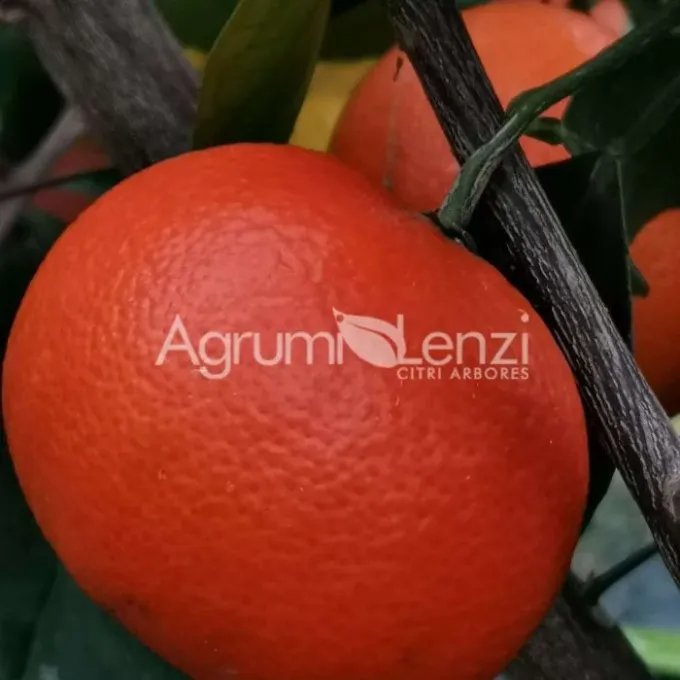
Description
Growing requirements
Orange and clementine hybrids, belonging to the Rutaceae family, represent a significant category of citrus fruits developed for enhanced organoleptic properties.
These trees require a climate with mild winters and long, warm, sunny days to ensure proper fruit set and maturation of the sugars inside the pulp.
Soil management is critical; these plants thrive in fertile, well-draining soils with a pH ranging from 6.0 to 7.0, avoiding waterlogged conditions at all costs.
Agricultural practices involve consistent drip irrigation and a balanced fertilization schedule, emphasizing micronutrients like zinc and iron during the blooming phase.
The primary use of these hybrids is fresh consumption, as the breeding focus is directed towards thin skin, seedless pulp, and a refined balance of sweet and tart flavors.
Main diseases and pests
Citrus pests such as whiteflies, scale insects, and spider mites pose the greatest challenge to maintaining tree health and aesthetic value.
Diseases like citrus tristeza virus and root rot are major threats, often managed through the selection of resistant rootstocks and strict quarantine measures.
Management of the orchard environment, including weed control and debris removal, is essential to prevent the spread of fungal spores among the trees.
Integrated Pest Management (IPM) strategies are highly recommended to control populations of insects while preserving beneficial predator insects in the grove.
Correct canopy architecture via pruning is vital for air circulation, which significantly decreases the moisture build-up that promotes fungal proliferation.
Harvesting
Harvesting is determined by fruit color index and laboratory testing of the sugar-to-acid ratio, ensuring the produce meets market quality standards.
Hand-harvesting remains the standard, using clippers to prevent "plugging" or tearing of the peel, which can lead to rapid post-harvest spoilage.
Post-harvest handling involves cleaning and grading, often followed by a wax coating to reduce moisture loss and improve the shelf appeal of the citrus fruits.
Storage facilities must be maintained at controlled temperatures to prevent chilling injury while maximizing the longevity of the fruit throughout the supply chain.
Efficiency in the harvesting process ensures that the trees are ready for the next growth cycle, promoting balanced production in the following season.