
Citrofortunella
Hybrids between Citrus reticulata Blanco x Citrus trifoliata L.
Description
Growing requirements
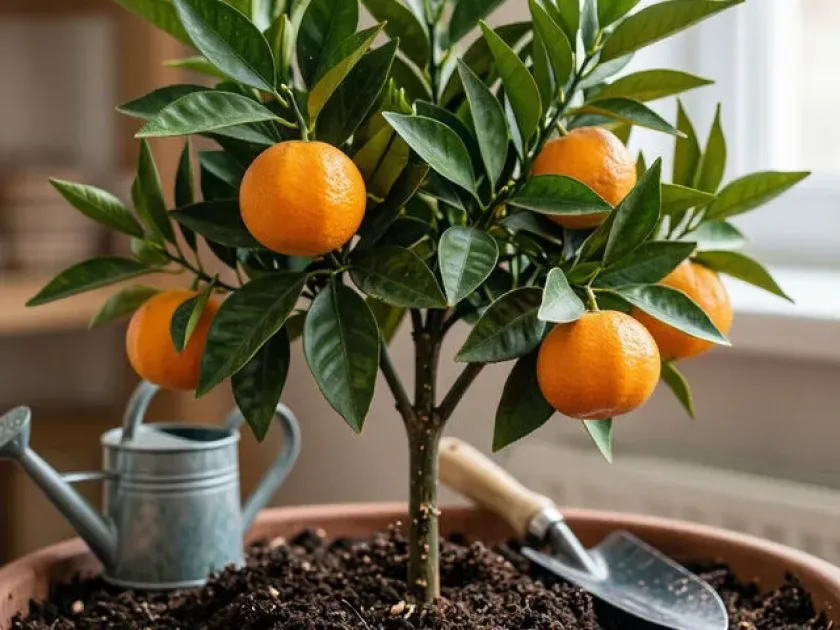
Citrofortunella is an intergeneric hybrid resulting from the cross between Citrus reticulata and Citrus trifoliata (often associated with Citrus japonica). Belonging to the Rutaceae family, this evergreen plant is widely prized for its ornamental value and ability to bloom and fruit simultaneously.
This crop requires bright, indirect sunlight to thrive. Placing it near a south or east-facing window is ideal, as direct, scorching afternoon sun can cause leaf burn, while insufficient light leads to sparse foliage and fruit drop.
The plant prefers a moderate temperature range, ideally between 20°C and 25°C during the growing season. During the winter months, a cooler period (12–16°C) helps the plant transition into dormancy, which is beneficial for its long-term health and next year's bloom.
Soil requirements are centered on well-draining, nutrient-rich substrates with a slightly acidic pH. A professional potting mix consisting of peat, leaf mold, and coarse sand or perlite ensures the root system remains aerated and healthy.
Consistent watering is essential, allowing the top layer of soil to dry out slightly before the next irrigation. High ambient humidity is preferred, often requiring regular misting of the leaves to replicate its natural tropical conditions.
Yield
While primarily grown as an ornamental, Citrofortunella produces edible fruits. Although quite sour and tart, they are rich in essential oils and are frequently used in culinary applications for zesting or making marmalades.
The plant is known for its ability to produce fruit throughout the year. With proper light and nutrition, a single tree can feature white, fragrant blossoms alongside green and mature orange fruits at the same time.
Fertilization is crucial during the active growing cycle. A balanced citrus-specific fertilizer applied every two weeks helps sustain fruit production. Avoid excessive nitrogen, which promotes vegetative growth rather than fruit yield.
Pruning plays a significant role in maintaining the structure and productivity of the tree. By trimming long branches and removing dead wood, the plant focuses energy on fruit development and creates a bushier, more attractive canopy.
Harvesting should be done when the fruits reach a vibrant orange hue. Because the rind is thin and contains fragrant oils, the entire fruit can be used for infusions or preserved in sugars for confectionery purposes.
Main diseases and pests
Common pests include scale insects, spider mites, and mealybugs, which thrive in low-humidity indoor environments. Regular monitoring of the foliage and stems is the best strategy for early detection and control.
Fungal diseases, such as anthracnose or root rot, often occur due to poor drainage or overwatering. These conditions manifest as dark spots on leaves or sudden leaf drop, indicating an issue with the roots or environment.
Management of pest outbreaks involves using insecticidal soaps or neem oil, which are safe and effective for small-scale cultivation. Always ensure thorough coverage of both the upper and lower leaf surfaces.
Preventative measures include maintaining good airflow around the plant and avoiding stagnant water in the drainage tray. Proper hygiene, such as wiping leaves with a damp cloth, also keeps the plant healthy and reduces dust build-up.
In cases of severe infection, repotting the plant into fresh, sterile soil and trimming the affected root parts can help recovery. Ensuring the plant is kept in quarantine away from other indoor plants prevents potential cross-contamination.