
Grapefruit
Hybrids between Citrus paradisi Macfad. and Citrus maxima (Burm.) Merr.
Description
Growing requirements
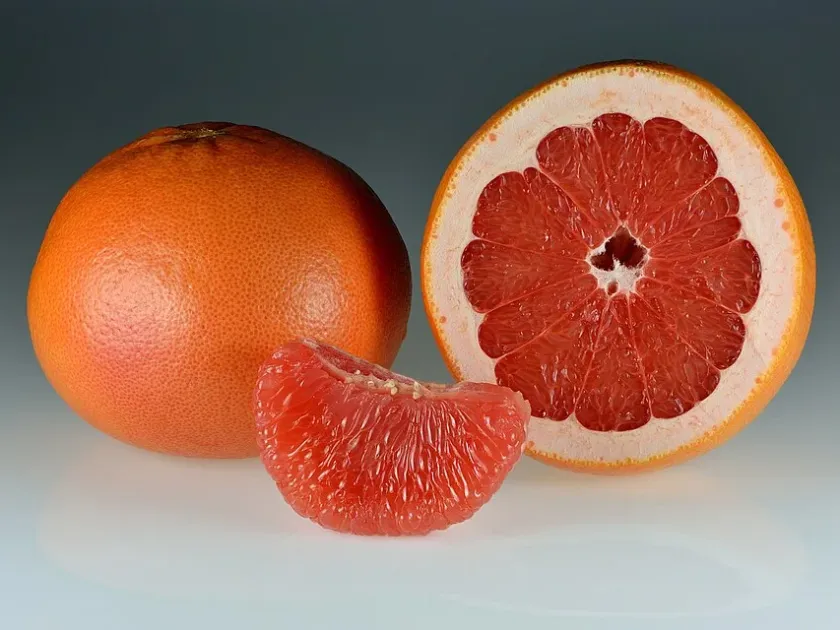
The grapefruit Citrus paradisi is a subtropical citrus tree known for its relatively large, sour to semi-sweet, somewhat bitter fruit. It is a natural hybrid, specifically between the sweet orange and the pomelo.
These trees thrive in warm, subtropical climates. They require consistent heat and are highly susceptible to frost, which can severely damage or kill the tree. Protection against cold is essential in regions with low winter temperatures.
Soil requirements are quite specific: grapefruit trees prefer deep, well-draining loamy or sandy soils. They do not tolerate waterlogged conditions, as wet feet often lead to root rot and other phytosanitary issues.
Full sun exposure is a non-negotiable requirement for optimal tree health and fruit development. Insufficient light results in lower sugar content in the fruit and a weak, spindly canopy structure.
Consistent maintenance, including irrigation and balanced NPK fertilization, is crucial. Trace elements like zinc and magnesium should be applied based on soil test results to prevent nutrient deficiencies.
Yield
Grapefruit trees typically start producing fruit around four to five years after planting. Yield potential significantly increases as the tree matures and the canopy expands.
In mature, well-managed orchards, a single tree can produce between 100 and 300 kilograms of fruit per season. Productivity is often dictated by the rootstock choice and pruning intensity.
Pruning is vital not only for shape but for productivity. Thinning the center of the canopy allows sunlight to penetrate, encouraging fruit production on the inner branches rather than just the periphery.
Fruit set is heavily influenced by weather conditions during the flowering phase. Extreme heat or unseasonal humidity can lead to flower drop, which negatively impacts the final harvest weight.
Commercial yields are optimized through systematic irrigation schedules, which ensure that the trees do not experience water stress during the critical fruit-swelling periods of the growing season.
Main diseases and pests
Common pests affecting grapefruit trees include citrus scale insects, aphids, and mites. These pests extract sap from foliage, often causing leaf curling, chlorosis, and stunted growth.
Fungal diseases like greasy spot, melanose, and citrus canker pose serious challenges in humid environments. These diseases can defoliate the tree and create unsightly blemishes on the fruit rind.
Tristeza virus is a major concern for citrus growers worldwide. It can cause rapid decline and death, often necessitating the use of resistant rootstocks to manage the risk within a plantation.
Integrated pest management (IPM) strategies, which prioritize beneficial insects and selective bio-pesticides, are highly recommended to keep pest populations below economic damage thresholds.
Sanitation is key to disease prevention. Removing dead branches, clearing leaf litter, and disinfecting pruning tools after each tree are basic but effective practices for maintaining a healthy orchard.
Harvesting
Grapefruit harvesting is performed manually by clipping the stem. It is critical to harvest only when the fruit reaches the desired sugar-to-acid ratio, as the fruit does not ripen once removed from the tree.
During the harvest process, care must be taken to avoid puncturing the fruit rind with shears or fingernails, as damage significantly increases the risk of post-harvest decay.
Post-harvest handling involves sorting by size and quality. Fruit destined for long-term storage must be handled gently and kept in clean, ventilated containers to prevent the spread of post-harvest diseases.
Temperature control is essential for storage. Keeping the fruit at temperatures between 8°C and 12°C with adequate humidity helps maintain the rind quality and prevents the fruit from drying out.
Efficient supply chain management, ensuring proper ventilation during transport, allows grapefruit to reach domestic and international markets while maintaining its premium quality and nutritional profile.