
Hybrids of pomelo and ichang lemon
hybrids between Citrus maxima (Burm.) Merr. and Citrus cavaleriei H. Lév. ex Cavalerie
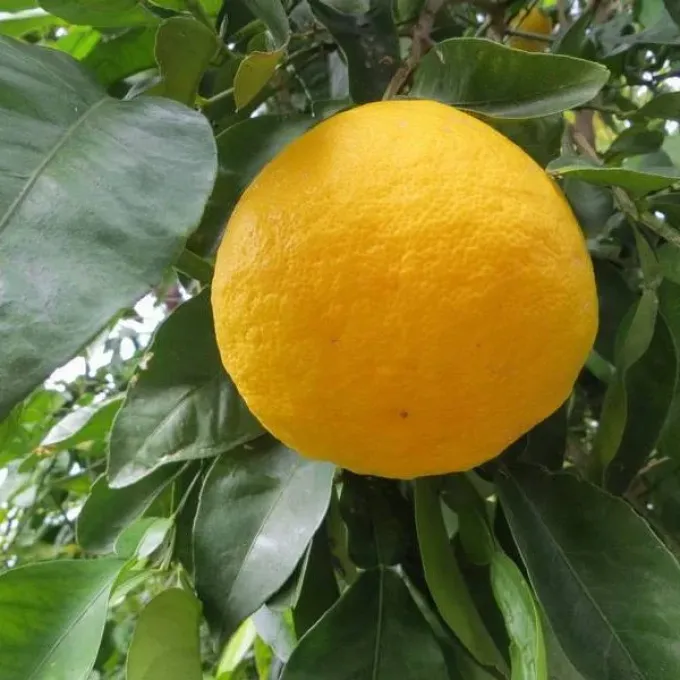
Description
Growing requirements
These hybrids are created through the crossbreeding of pomelo (Citrus maxima) and ichang lemon (Citrus cavaleriei). Belonging to the Rutaceae family, they are bred specifically to combine the substantial fruit size of pomelo with the exceptional cold tolerance of the ichang lemon.
Climatic requirements focus on a temperate growing season, though these hybrids exhibit significantly better adaptation to temperature fluctuations than traditional citrus varieties. They are particularly valued in regions where winters are too harsh for common citrus trees.
Soil requirements dictate the use of well-draining loamy soils with a balanced pH level. Proper drainage is critical to prevent root system suffocation, as these hybrids are sensitive to waterlogged environments which lead to poor development.
Agricultural management involves routine pruning to maintain an open canopy structure, which ensures sufficient sunlight reaches the interior branches. Consistent fertilization programs are necessary to maintain vigorous fruit production throughout the season.
The primary economic use for these hybrids includes fruit production for culinary processing and the utilization of the plants as cold-resistant rootstocks for grafting other, less hardy citrus cultivars in cooler climates.
Main diseases and pests
Major pests affecting this crop include citrus whiteflies and spider mites, which can cause significant stress to the foliage and reduce photosynthetic capacity if left uncontrolled.
Fungal threats include anthracnose and melanose, which are exacerbated by prolonged periods of high humidity and rainfall during the vegetative growth stages.
Root rot caused by Phytophthora species remains a significant danger, especially in poorly drained soils where pathogen populations can thrive near the root collar.
Integrated pest management strategies are highly recommended, involving a combination of biological controls and targeted applications of fungicides during high-risk seasons.
Sanitation practices, such as removing fallen leaves and pruning infected twigs, are essential steps in reducing the inoculum density of fungal pathogens in the orchard environment.