
Citrus latipes x Poncirus trifoliata hybrid
Hybrids between Citrus latipes (Swingle) Tanaka x Citrus trifoliata L.
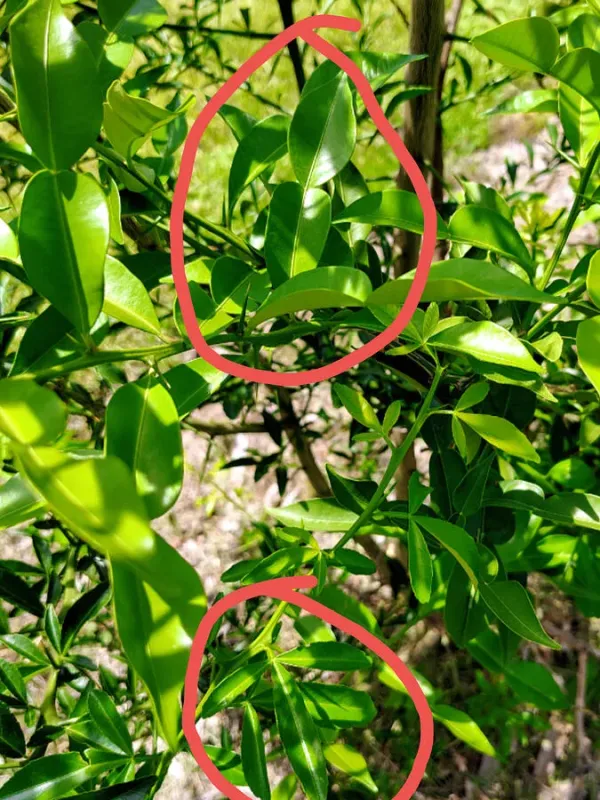
Description
Growing requirements
This hybrid is a cross between Citrus latipes and Citrus trifoliata (often classified as Poncirus), belonging to the Rutaceae family. It is primarily valued in modern pomology for its exceptional cold hardiness and vigor as a rootstock for various citrus varieties.
Botanically, the hybrid inherits the cold-resistant traits of its parents, allowing it to withstand temperatures well below freezing, which is critical for extending citrus cultivation into cooler temperate regions.
The cultural requirements demand well-drained, slightly acidic soil with high organic matter content. While the plant is robust, it does not tolerate waterlogged conditions, which can lead to rapid root decay and stunted development.
In terms of climatic adaptation, it thrives in full sun, which is necessary for proper wood hardening before the onset of winter. It is highly recommended for orchards where winter temperatures frequently dip below zero, providing a stable foundation for grafted scions.
Agrotechnical management includes controlled nitrogen application during the early spring to promote vegetative growth, followed by potassium-rich fertilizers in autumn to enhance cold tolerance. Careful pruning is required to maintain a balanced canopy structure.
Main diseases and pests
The primary agricultural threats to this hybrid are fungal pathogens such as Phytophthora, which attacks the root system if drainage is inadequate. Proper site preparation and moisture control are the best preventative measures.
Insect pests, including citrus scale, spider mites, and aphids, are common threats. Scale insects, in particular, can cause significant damage by feeding on the sap and secreting honeydew, which leads to sooty mold formation.
Viral diseases like citrus tristeza are a constant concern in commercial orchards. While this hybrid is more resistant than many other rootstocks, it is still vital to source certified virus-free budwood to prevent potential transmission.
To combat pests, integrated pest management (IPM) strategies should be employed, utilizing both beneficial predatory insects and targeted, environmentally safe chemical interventions when infestation thresholds are exceeded.
Regular sanitation, such as removing dead branches and clearing debris around the trunk, reduces the overwintering sites for many pests and pathogens, maintaining overall tree hygiene and productivity throughout the growing season.