
Homalomena rostrata
Homalomena rostrata
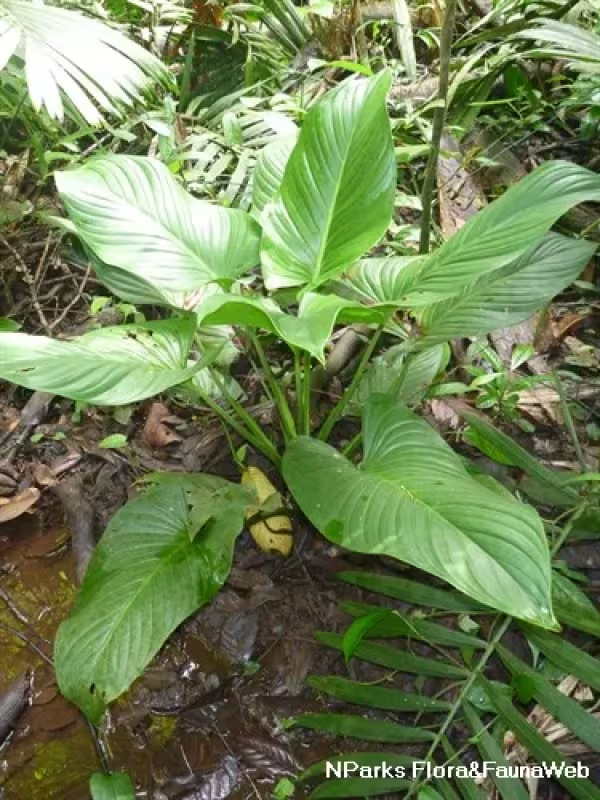
Description
Growing requirements
Homalomena rostrata is a perennial herbaceous plant belonging to the Araceae family. Native to the tropical rainforests of Southeast Asia, this species thrives in humid, shaded environments, typically inhabiting the floor of dense forests where moisture levels remain consistently high.
Cultivation requires strict adherence to environmental parameters: temperatures must be maintained between 22°C and 28°C. Cold drafts or sudden temperature drops can cause physiological stress and leaf drop, making climate control essential for successful propagation and healthy growth.
The substrate must be well-draining yet moisture-retentive, mirroring the organic-rich forest floor. A mixture of peat, perlite, and pine bark is recommended to provide both the necessary nutrients and the oxygenation required by the sensitive, fleshy rhizomes of the plant.
Light management is a critical factor for Homalomena rostrata. It is an shade-tolerant species that requires bright, indirect light to maintain its foliage coloration. Exposure to direct sunlight for extended periods causes leaf scorching and can lead to the permanent loss of chlorophyll in affected areas.
Maintenance involves a balanced irrigation strategy where the soil is kept moist but never waterlogged. During the peak growing season, the plant benefits from a dilute, balanced liquid fertilizer applied monthly to support the vigorous development of its lance-shaped leaves.
Main diseases and pests
The most frequent threats to the health of Homalomena rostrata are fungal diseases, particularly stem and root rots triggered by poor drainage or excessive soil moisture. Preventative measures include using sterile growing media and ensuring good air circulation around the base of the plant.
Pest management focuses on monitoring for common tropical greenhouse pests, such as spider mites, mealybugs, and scale insects. These pests thrive in dry conditions, so maintaining optimal humidity levels is the primary cultural method for preventing infestations and keeping the plant resilient.