
Homalomena humilis
Homalomena humilis
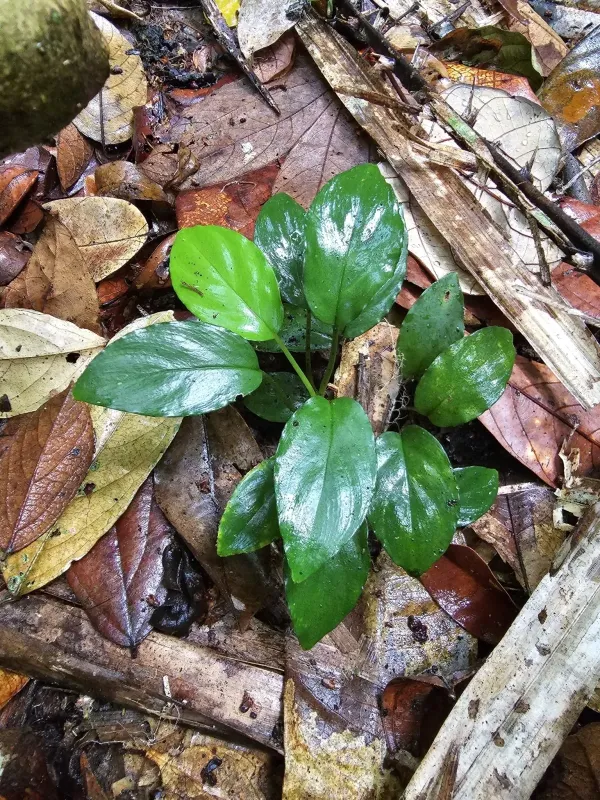
Description
Growing requirements
Homalomena humilis is a herbaceous perennial plant belonging to the Araceae family. Originating from the tropical rainforests of Southeast Asia, specifically Indonesia and Malaysia, this species has evolved to thrive in the nutrient-rich, shaded, and humid forest floor environments.
To cultivate this plant successfully, one must replicate its natural tropical climate. A stable temperature range of 20°C to 25°C is ideal. It is highly sensitive to cold drafts and sudden drops in temperature, which can cause significant stress or even dormancy in the plant.
The soil requirements focus on achieving a balance between water retention and drainage. A porous, well-aerated potting mix containing peat moss, pine bark, and perlite is essential. This prevents the potting medium from compacting, which is critical for healthy root respiration.
Light management is crucial, as Homalomena humilis is naturally an understory plant. It requires bright, indirect light to maintain its foliage coloration and compact growth habit. Exposure to direct sunlight will inevitably lead to leaf scorch and permanent tissue damage.
In terms of agricultural and horticultural use, Homalomena humilis serves as a valued indoor ornamental plant. Its decorative foliage and low-growing habit make it a popular choice for interior landscaping, terrariums, and botanical displays focused on tropical aesthetics.
Main diseases and pests
The primary pest threats include spider mites and mealybugs, which are particularly attracted to the plant in environments with low relative humidity. Maintaining high atmospheric moisture is a preventative measure, alongside the use of systemic insecticides if infestations occur.
Root rot is the most significant disease challenge for this species, typically caused by overwatering or inadequate soil aeration. If the growing medium remains waterlogged, the roots will quickly decay, leading to yellowing of the leaves and eventual plant decline.