
Homalomena expedita
Homalomena expedita
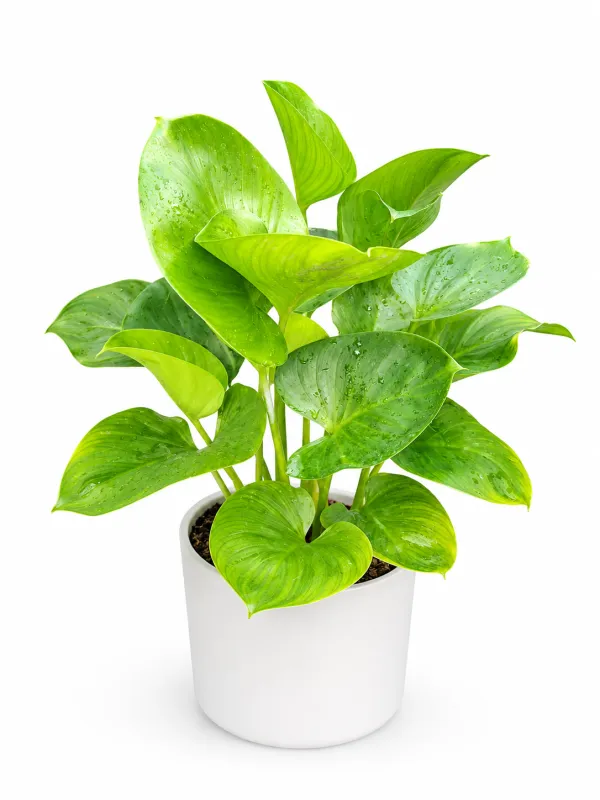
Description
Growing requirements
Homalomena expedita is an ornamental herbaceous perennial belonging to the Araceae family. Native to the tropical regions of Southeast Asia, it is highly valued for its lush, deep green foliage.
Optimal growth requires consistent temperatures between 20°C and 28°C. As a tropical species, it is sensitive to thermal shock and should be kept away from cold drafts or heating vents.
The substrate must be well-draining, nutrient-rich, and slightly acidic. A mix consisting of peat, orchid bark, perlite, and charcoal provides the ideal structure for healthy root development.
Bright, indirect light is essential for Homalomena expedita. Exposure to harsh, direct sunlight will result in scorching of the leaves, while insufficient light will lead to stunted growth.
High relative humidity, ideally above 70%, is required to keep the foliage vibrant. In domestic settings, using a humidifier or a pebble tray can help maintain these specific environmental conditions.
Main diseases and pests
Root rot is the most common physiological disorder caused by overwatering or poor drainage. It is crucial to allow the top layer of the soil to dry slightly before the next watering session.
Spider mites are prevalent in environments with low humidity. They typically feed on the undersides of leaves, causing discoloration and eventual leaf drop if left untreated.
Mealybugs can often be found in the joints of leaf stems. Manual removal with a cotton swab dipped in alcohol is an effective control method for minor infestations on these plants.
Scale insects present a significant threat to the plant's vitality. They appear as small brown bumps on stems and veins, requiring the application of appropriate systemic insecticides.
Regular maintenance, including wiping the leaves with a damp cloth, helps keep the plant free from dust and allows for early detection of potential pest infestations or disease signs.