
Homalomena cordata
Homalomena cordata
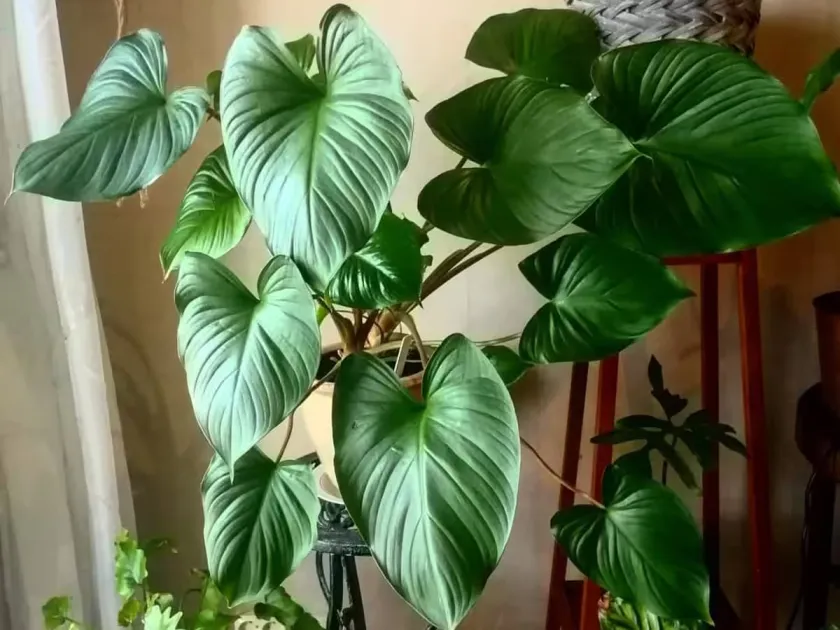
Description
Growing requirements
Homalomena cordata is a perennial herbaceous plant belonging to the Araceae family. Originating from the tropical rainforests of Southeast Asia, it thrives in environments characterized by high humidity and filtered sunlight, typical of the forest floor understory.
Botanically, the plant features a rhizomatous stem and distinct cordate (heart-shaped) leaves. It is highly regarded for its lush foliage and ornamental value, making it a popular choice for specialized interior landscaping and tropical greenhouse production.
The cultivation of this species requires a warm climate with temperatures consistently between 20 and 26 degrees Celsius. Avoiding sudden thermal shocks is essential, as the plant is sensitive to cold drafts, which can cause significant damage to the leaf tissue.
Soil requirements focus on high organic matter content and excellent drainage properties. A blend of peat moss, perlite, and decomposed bark provides the necessary aeration for roots to thrive, preventing the oxygen deprivation often found in compacted soils.
Irrigation practices should maintain a consistently moist substrate without inducing waterlogging. Relative humidity levels should be sustained between 60-70% to ensure the plant maintains its turgor pressure and avoids drying out at the leaf margins.
Main diseases and pests
Root rot, primarily caused by Pythium or Phytophthora fungi, is the most common threat when the growing medium is kept overly wet. Preventive measures include ensuring the drainage holes are unobstructed and avoiding excessive water accumulation.
Pest pressure often involves spider mites and scale insects, particularly in environments with low humidity. These pests feed on sap, leading to yellowing leaves and reduced overall plant vigor if left untreated for an extended period.
Integrated pest management (IPM) protocols for this crop suggest frequent monitoring and the use of horticultural oils or mild insecticidal soaps. For severe infestations, targeted application of systemic pesticides may be required.
Bacterial leaf spots can occur when water sits on the foliage for prolonged periods, especially in poorly ventilated greenhouses. Improving airflow and ensuring foliage remains dry during irrigation significantly mitigates this risk.
Sanitation plays a vital role in maintaining crop health. Regularly removing debris from the soil surface and trimming aging or damaged leaves helps prevent the accumulation of pathogens and promotes healthy new growth.