
Lacebark
Hoheria populnea
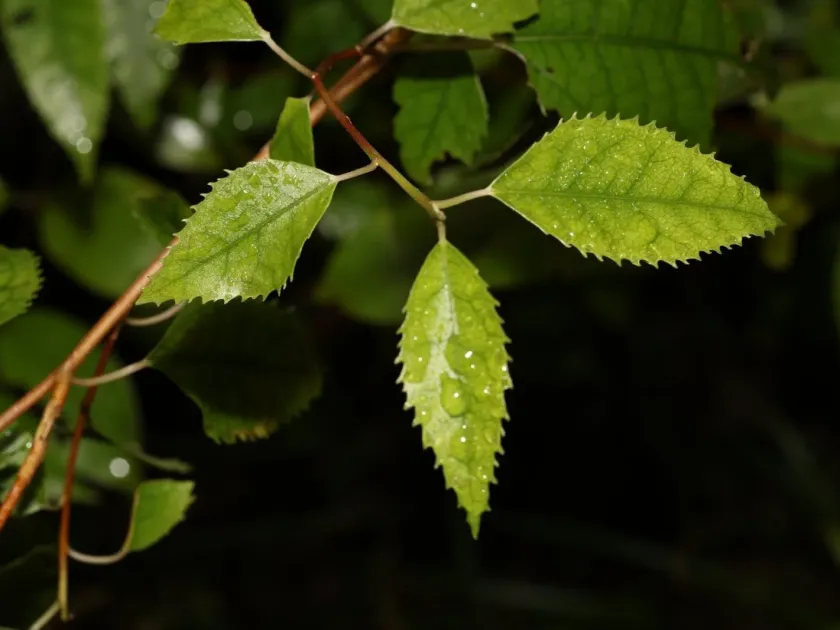
Description
Growing requirements
Hoheria populnea, commonly known as the Lacebark or Houhere, is an evergreen tree belonging to the Malvaceae family. It is highly valued for its rapid growth, glossy foliage, and spectacular white flowers that bloom in late summer and autumn.
Native to the North Island of New Zealand, this species thrives in sheltered, frost-free environments. While it can tolerate light coastal winds, it is best suited for regions with temperate climates where extreme cold is not a major concern.
The tree requires well-drained, fertile, and moist soil to reach its full potential. It grows best in soils that are rich in organic matter, and it is crucial to ensure that the site does not become waterlogged, as the roots are susceptible to rotting.
Light requirements for Hoheria populnea are high, as the tree prefers full sun to light dappled shade. Providing adequate space is essential, as the species can reach heights of 10 meters, requiring enough room to develop its natural conical shape.
Basic maintenance involves consistent watering during dry spells and applying mulch around the base to conserve moisture. Pruning should be carried out after flowering to maintain the desired shape and remove any crossing or dead branches.
Main diseases and pests
The Lacebark tree is generally considered robust, but it can be affected by various pests like aphids and scale insects. These pests often congregate on new growth, and regular monitoring is recommended to ensure they do not stunt development.
Fungal infections, such as leaf spot or powdery mildew, may occur if the tree is planted in an area with poor air circulation or high humidity. Pruning to open the canopy and improve airflow is an effective cultural control method.
Root rot, caused by Phytophthora species, is a significant threat if the soil structure does not allow for efficient drainage. This condition is difficult to treat, making prevention through site selection and soil amendment the primary strategy.
Sooty mold can appear as a secondary effect of aphid infestations, as the insects produce honeydew that serves as a medium for the fungus. Controlling the pest population is the direct way to resolve this issue.
Overall, maintaining a healthy environment through proper watering and balanced nutrition will significantly strengthen the tree's natural defense mechanisms against common garden pests and diseases.