
Hoheria glabrata
Hoheria glabrata
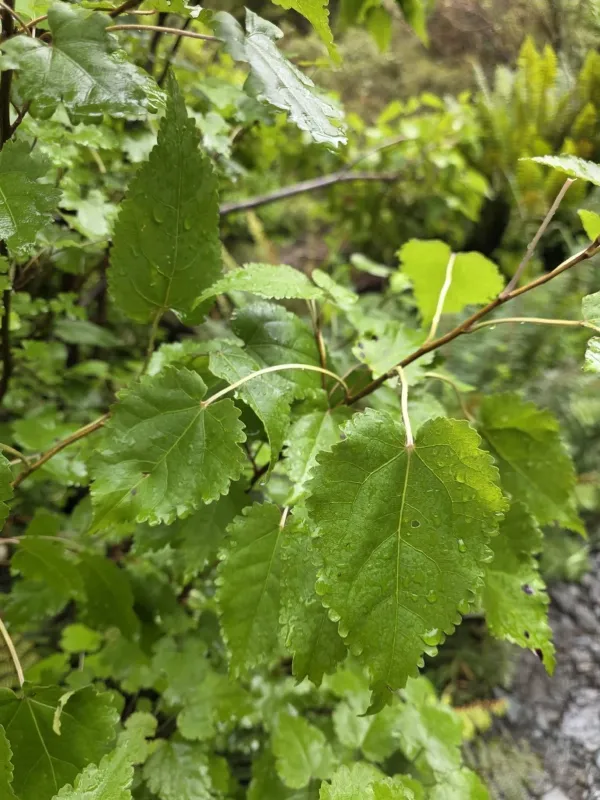
Description
Growing requirements
Hoheria glabrata, commonly known as the mountain ribbonwood, is a deciduous shrub or small tree belonging to the Malvaceae family. Native to the South Island of New Zealand, it is highly valued for its elegant habit and striking, star-shaped white flowers.
The plant thrives in cool, temperate climates and is particularly well-suited for regions that experience consistent moisture and mild summers. It is best to avoid planting it in areas prone to intense, scorching heat or prolonged drought conditions.
Ideal soil for this species should be rich in organic matter, fertile, and possess excellent drainage capabilities. It prefers a slightly acidic to neutral pH balance, which promotes the efficient uptake of nutrients and strong root development.
Successful cultivation requires a site with partial shade, protecting the foliage from the intense midday sun. Shelter from strong, drying winds is also essential to prevent leaf desiccation and physical damage to the branches.
Regular irrigation is necessary throughout the growing season to keep the soil consistently moist but never waterlogged. Incorporating a layer of organic mulch around the base helps retain soil moisture and stabilizes the temperature of the root zone.
Main diseases and pests
Root rot is the primary physiological threat, typically caused by waterlogged soil conditions. Ensuring that the planting site has good drainage is the most effective preventative measure against such soil-borne pathogens.
Aphids are common pests that may infest the tender, new growth during the spring months. Regular inspection and the use of mild horticultural oils or soaps are usually sufficient to manage these populations effectively.
Spider mites can become problematic during hot, dry spells, especially if the air humidity around the plant is too low. Increasing moisture around the foliage and ensuring proper plant vigor can significantly deter mite colonization.
Powdery mildew may occur if the plants are placed too closely together, inhibiting proper air circulation within the canopy. Maintaining proper spacing and performing selective pruning ensures that the foliage dries quickly after rainfall.
Overall, keeping the plant in a healthy, stress-free environment is the best defense against pests and diseases. By avoiding excessive nitrogen fertilization, you can prevent the growth of soft, succulent tissue that is particularly attractive to common garden pests.