
Stargrass
Heteranthera zosterifolia
Description
Growing requirements
Heteranthera zosterifolia, commonly known as Stargrass, belongs to the Pontederiaceae family. This species originates from South America, thriving in the warm, slow-moving waters and swampy areas of the Amazon basin.
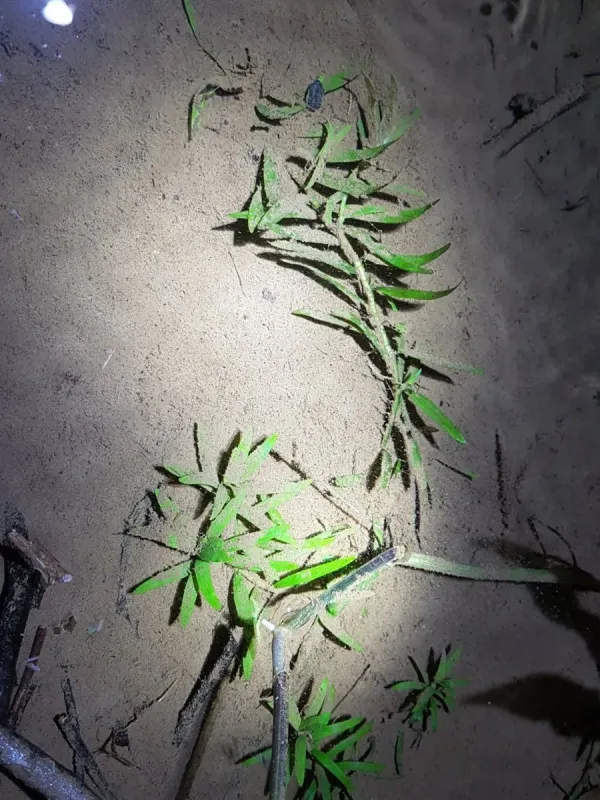
Botanically, it features delicate, bright green alternate leaves on long, branched stems. It grows rapidly and forms dense, star-like patterns at the tips, which is why it is highly prized by aquascapers for creating mid-ground or background focal points.
To ensure healthy development, Stargrass requires high lighting levels. Providing intense light ensures compact growth and prevents the stem from stretching unnecessarily, allowing the plant to display its signature bushy appearance.
The culture thrives in water temperatures between 22°C and 28°C. It is somewhat flexible regarding water hardness but performs best in slightly soft to medium-hard water with a pH range of 6.0 to 7.5 to maintain nutrient absorption.
A nutrient-rich substrate is essential for proper root development. Furthermore, consistent CO2 supplementation and regular fertilization with micro-nutrients, particularly iron, are necessary to prevent yellowing and promote vibrant growth.
Main diseases and pests
Algae infestations represent the primary threat to the health of Stargrass. Because it requires intense light, the plant is susceptible to competing green algae that can easily settle on the leaves and restrict photosynthesis.
Nutrient deficiencies, specifically iron deficiency, manifest as chlorosis, where the leaves turn pale yellow or white. Maintaining a consistent fertilization regime is vital for keeping the plant in a healthy condition.
Mechanical damage to the fragile stems can lead to rapid decay. It is important to handle the plant gently during trimming or replanting to ensure the tissues remain intact and do not invite opportunistic rot.
Overcrowding in an aquarium tank can reduce water flow around the lower leaves. Poor circulation often leads to the accumulation of waste, which causes the bottom sections of the plant to wither and melt away.
Drastic fluctuations in water chemistry, particularly rapid changes in alkalinity or temperature, can shock the plant. Stargrass prefers a stable, well-maintained environment to avoid stunted growth or sudden leaf drop.